
Why SaaS Companies Need Specialized Sales Closers
The SaaS industry has become one of the most competitive business environments in the world. Thousands of software companies are entering the market every year, making it harder for brands to stand out and secure loyal customers. This growing competition has increased the demand for highly trained saas sales closers who understand how to communicate software value effectively. Unlike traditional sales professionals, SaaS closers must explain complex solutions in a way that feels simple and results-driven. Many software products involve long sales cycles, multiple decision-makers, and recurring subscription commitments, which require a more strategic sales process. Businesses that fail to manage these conversations properly often lose valuable leads before the final buying stage. SaaS companies operating in global markets like the USA, UK, Canada, Australia, UAE, and Singapore especially benefit from experienced sales closers who can adapt to different customer expectations and communication styles.
Modern software buyers are more informed than ever before. They compare products carefully, study online reviews, and evaluate competitors before making a purchase decision. This means SaaS businesses need closers who can guide prospects confidently through every step of the buying journey. Skilled saas sales closers know how to build trust without sounding overly aggressive or scripted. They focus on understanding customer pain points and connecting those challenges directly to software solutions. Their ability to communicate value often becomes the deciding factor between winning or losing a deal. As software subscriptions continue to dominate digital business models, the importance of professional SaaS sales closing continues to rise.
What SaaS Sales Closers Actually Do
SaaS sales closers are responsible for converting qualified leads into paying customers. Their role goes far beyond simply asking for a sale. They manage conversations, answer technical concerns, handle objections, and create confidence throughout the decision-making process. SaaS buyers often need reassurance before committing to recurring payments, which is why strong communication skills are essential. Closers work closely with marketing teams, appointment setters, and customer success departments to ensure a smooth customer journey. Their work directly impacts monthly recurring revenue, customer retention, and long-term growth.
A major part of the job involves discovery calls and product demonstrations. During these conversations, closers identify the prospect’s business goals, challenges, and operational problems. They then explain how the software can improve productivity, reduce costs, or generate more revenue. Effective saas sales closers also understand timing. They know when to educate, when to listen, and when to move toward closing the deal. This balanced approach creates a more comfortable buying experience for potential customers.
Important responsibilities handled by SaaS sales closers include:
-
Conducting discovery and qualification calls
-
Managing product demos and presentations
-
Explaining pricing structures clearly
-
Handling objections professionally
-
Following up with prospects consistently
-
Collaborating with customer success teams
-
Maintaining CRM records and sales pipelines
-
Supporting upsell and renewal opportunities
Companies that invest in experienced closers often experience better lead conversion rates and stronger customer relationships. These professionals help businesses maximize every qualified lead entering the sales pipeline.
Core Skills Every SaaS Sales Closer Must Have
The most successful saas sales closers possess a unique combination of communication skills, technical understanding, and emotional intelligence. Selling software requires more than enthusiasm. It demands the ability to explain advanced features in a practical and relatable way. Prospects want to know exactly how a software platform can solve their problems or improve their business operations. Closers who fail to connect features with business outcomes usually struggle to maintain engagement during sales conversations.
Strong listening skills are equally important. SaaS closers must understand customer concerns before recommending solutions. Active listening allows them to uncover hidden objections, budget limitations, and internal decision-making challenges. This information helps them tailor their sales approach more effectively. Great closers also remain calm under pressure, especially during pricing negotiations or technical objections. Their confidence reassures prospects and strengthens trust during important sales discussions.
Successful SaaS sales professionals usually develop expertise in several key areas:
-
CRM management and sales tracking
-
Product knowledge and software demonstrations
-
Negotiation and objection handling
-
Data-driven sales analysis
-
Remote communication and virtual selling
-
Customer psychology and relationship building
-
Time management and pipeline organization
The ability to adapt quickly is another critical advantage. SaaS products evolve frequently, and customer expectations constantly change. Sales closers who stay informed about industry trends can position products more effectively and remain competitive in fast-moving markets.
The SaaS Sales Closing Process Explained
The SaaS closing process involves multiple stages designed to guide prospects from curiosity to commitment. Unlike quick retail transactions, software sales often require detailed conversations and ongoing follow-up. The first stage usually begins with lead qualification. This step helps identify whether a prospect matches the company’s ideal customer profile. Qualified leads are more likely to convert because they already demonstrate interest, budget capacity, and operational need.
Discovery calls represent the next major stage. During these meetings, saas sales closers ask questions to uncover business pain points and objectives. They analyze workflow issues, operational inefficiencies, and growth goals to determine how the software can help. Product demonstrations then allow closers to showcase the platform in action. Customized demos often perform better because they directly address the prospect’s industry-specific concerns and challenges.
The closing process also involves handling objections and concerns. Prospects may hesitate because of pricing, implementation worries, or competing solutions. Skilled closers respond calmly while reinforcing value and ROI potential. Their goal is not to pressure buyers but to remove uncertainty from the decision-making process. Once the customer feels confident, the final agreement becomes much easier to secure.
Important stages within the SaaS sales process include:
-
Lead qualification
-
Discovery conversations
-
Product demonstrations
-
Objection handling
-
Pricing discussions
-
Contract finalization
-
Customer onboarding coordination
-
Follow-up communication
A structured sales process improves consistency and helps SaaS businesses scale more efficiently across local and global markets.
Industries That Benefit Most From SaaS Sales Closers
Many industries rely heavily on SaaS solutions to improve operations and increase efficiency. These sectors often require professional closers because their software products involve complex features and longer sales cycles. B2B software companies especially benefit from dedicated sales specialists who understand consultative selling techniques. Businesses in these industries cannot rely solely on automated marketing systems because high-value software deals usually require human interaction and trust-building.
Marketing automation companies often use saas sales closers to explain campaign management, analytics, and lead generation features. CRM software providers also depend on closers to demonstrate workflow improvements and customer management capabilities. Cybersecurity SaaS businesses require skilled communicators because prospects want reassurance about data protection and compliance standards. FinTech software companies face similar challenges because customers need confidence in security, scalability, and financial reporting tools.
Industries that frequently hire SaaS sales closers include:
-
Marketing technology companies
-
CRM software providers
-
Cybersecurity platforms
-
Healthcare SaaS businesses
-
FinTech software companies
-
HR and recruitment platforms
-
E-commerce SaaS providers
-
AI-powered software businesses
-
Project management software companies
As digital transformation continues globally, more industries are adopting SaaS business models. This trend increases the need for experienced sales closers who can guide businesses through software purchasing decisions effectively.
How SaaS Sales Closers Increase Monthly Recurring Revenue
Monthly recurring revenue is one of the most important metrics for SaaS companies. Consistent recurring income creates predictable growth and helps businesses scale more efficiently. SaaS sales closers play a major role in increasing MRR because their performance directly impacts conversion rates and customer retention. Every closed deal contributes to recurring revenue, making the sales process one of the most critical growth drivers in the SaaS industry.
Experienced closers improve demo-to-close ratios by building stronger customer relationships during sales conversations. They understand how to position software as a long-term business investment instead of a simple monthly expense. This approach helps prospects focus on operational improvements and revenue opportunities rather than short-term pricing concerns. Closers also help reduce churn by ensuring customers fully understand the platform before signing up. Better customer alignment usually leads to stronger retention and higher satisfaction levels.
Ways saas sales closers increase recurring revenue include:
-
Improving lead conversion rates
-
Reducing sales cycle delays
-
Upselling premium software plans
-
Supporting annual subscription agreements
-
Enhancing customer retention
-
Building trust with decision-makers
-
Improving follow-up consistency
-
Increasing average contract value
Companies that prioritize professional sales closing often experience more predictable revenue growth and stronger long-term scalability.
Signs Your SaaS Company Needs Professional Sales Closers
Many SaaS businesses struggle with inconsistent conversions because they lack dedicated closing expertise. Founders often try handling sales themselves during the early stages of growth. While this may work temporarily, scaling becomes difficult when leadership spends too much time managing demos and sales calls. Professional saas sales closers help solve this problem by taking over complex sales conversations and maintaining consistent communication with prospects.
Low demo conversion rates are another warning sign. If many prospects attend demos but few become paying customers, the sales process may need improvement. Weak follow-up systems also hurt conversions significantly. Prospects who do not receive timely responses often lose interest or choose competitors instead. SaaS companies expanding into international markets may face additional communication challenges that require experienced global sales professionals.
Common signs a business needs SaaS sales closers include:
-
Low lead-to-customer conversion rates
-
Long and inconsistent sales cycles
-
Poor follow-up communication
-
Missed sales opportunities
-
Limited founder availability
-
Difficulty scaling internationally
-
Weak objection handling
-
Inaccurate sales forecasting
Hiring specialized closers allows founders and leadership teams to focus more on product development, operations, and long-term strategy.
Essential Tools Used by SaaS Sales Closers
Technology plays a major role in modern SaaS sales operations. Sales closers rely on multiple tools to manage communication, monitor pipelines, and track customer engagement. CRM platforms help organize prospect information and maintain accurate sales records. These systems improve efficiency by allowing sales teams to monitor every stage of the buyer journey. Without strong CRM management, important follow-ups and opportunities can easily be missed.
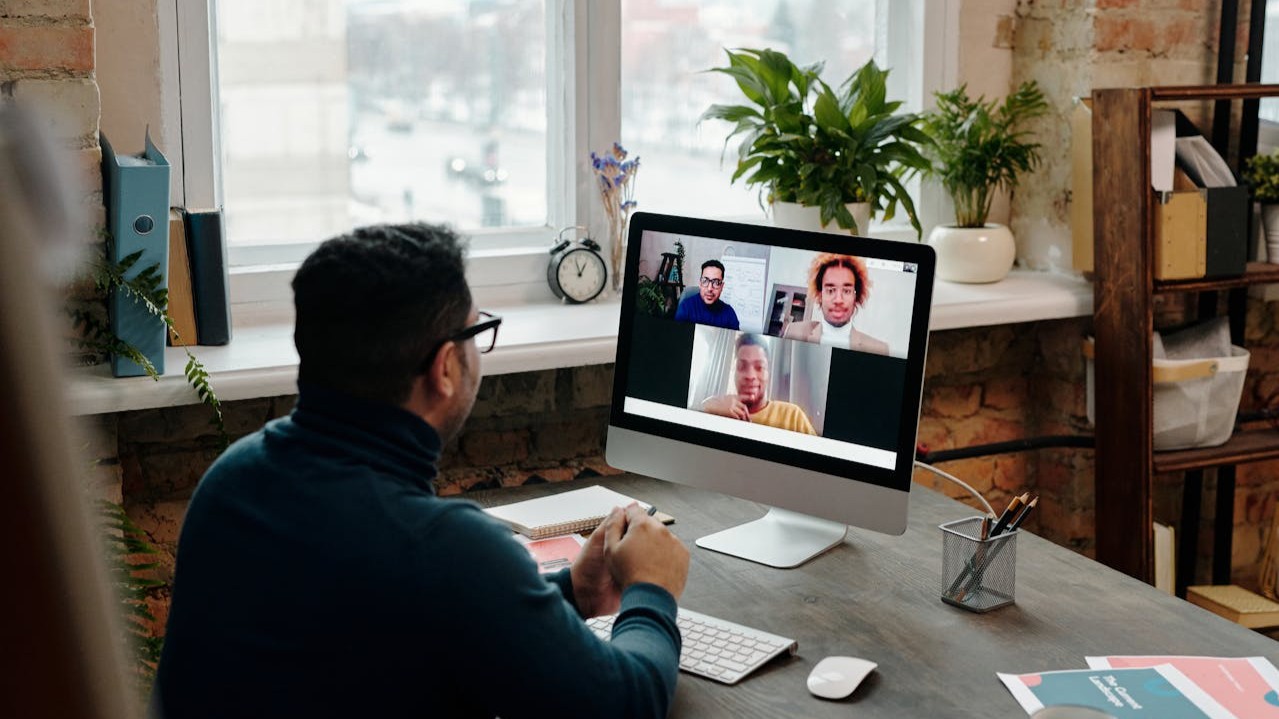
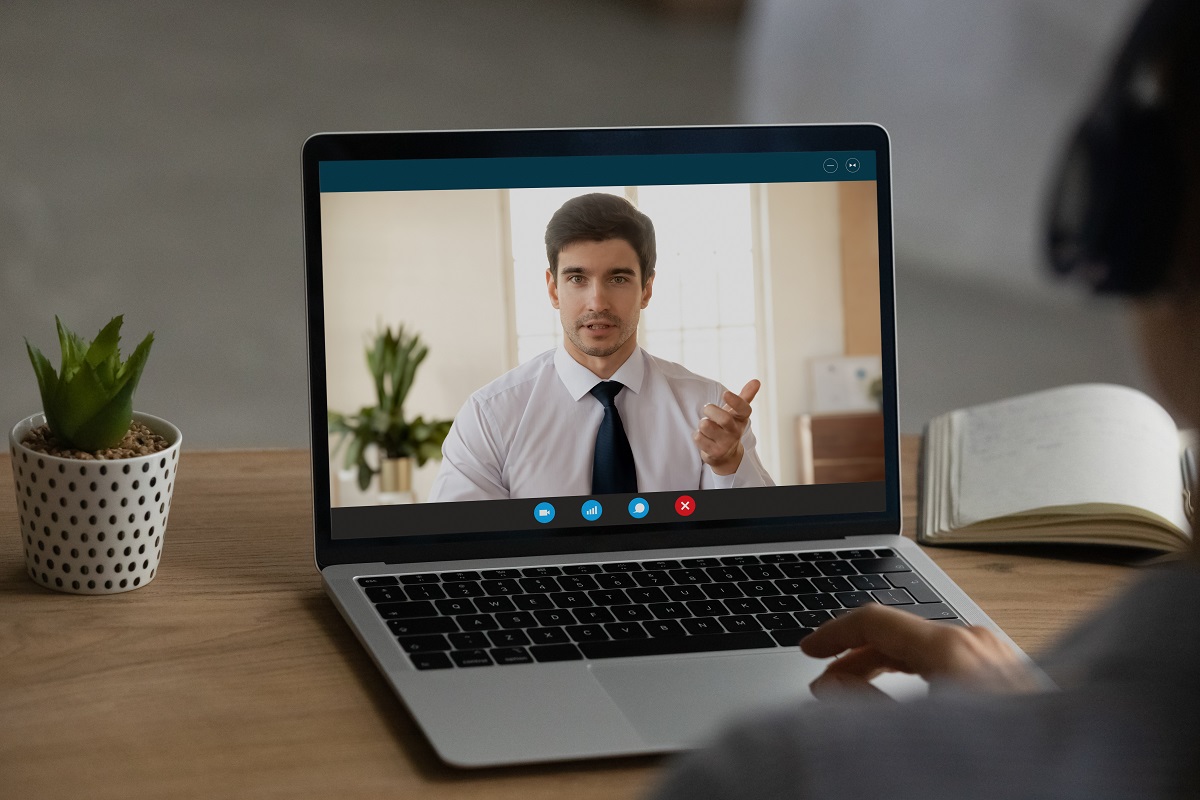
Video conferencing software has also become essential because many SaaS companies operate remotely. Closers regularly conduct demos, presentations, and strategy meetings online with international clients. Proposal management tools simplify contract sharing and approval processes, helping deals move forward faster. Analytics dashboards provide valuable insights into sales performance, conversion rates, and customer behavior patterns.
Important tools commonly used by saas sales closers include:
-
CRM platforms
-
Video conferencing software
-
Proposal management systems
-
Email automation tools
-
Sales analytics dashboards
-
Pipeline tracking software
-
AI-powered sales enablement tools
-
Customer communication platforms
Using the right combination of tools improves organization, communication, and overall sales productivity.
The Future of SaaS Sales Closing
The future of SaaS sales is evolving rapidly as technology and customer expectations continue to change. Artificial intelligence is already transforming sales operations through predictive analytics, automated lead scoring, and personalized outreach systems. Despite this technological growth, human closers remain essential because software purchasing decisions still rely heavily on trust and relationship-building. SaaS buyers want reassurance from knowledgeable professionals before committing to subscription agreements.
Remote sales operations are also becoming more common worldwide. Companies now hire sales professionals across different countries to support international expansion and multilingual communication. This flexibility allows SaaS businesses to operate more efficiently while reaching customers in major markets like the USA, UK, Canada, Australia, UAE, and Singapore. Hybrid sales strategies that combine AI automation with human interaction are expected to dominate future SaaS sales models.
Emerging trends shaping SaaS sales closing include:
-
AI-assisted sales conversations
-
Personalized customer journeys
-
Remote global sales teams
-
Automated follow-up systems
-
Predictive customer behavior analysis
-
Subscription-focused revenue strategies
Businesses that adapt to these trends early are more likely to remain competitive in the growing SaaS marketplace.
FAQ About SaaS Sales Closers
What are SaaS sales closers?
SaaS sales closers are professionals responsible for converting qualified software leads into paying customers. They manage sales conversations, product demonstrations, objections, and final purchasing discussions.
Why are SaaS sales closers important?
They improve conversion rates, strengthen customer trust, and help software companies generate more recurring revenue through effective communication and relationship-building.
Can SaaS sales closers work remotely?
Yes, many SaaS sales closers work remotely and manage global clients through video conferencing, CRM platforms, and digital communication tools.
What skills should SaaS sales closers have?
Important skills include communication, negotiation, CRM management, product knowledge, objection handling, and remote selling expertise.
How do SaaS sales closers increase monthly recurring revenue?
They improve lead conversion rates, support upsells, reduce churn, and help customers choose subscription plans that align with their business goals.
What industries benefit most from SaaS sales closers?
Industries such as cybersecurity, FinTech, healthcare technology, CRM software, AI platforms, and marketing automation heavily benefit from professional SaaS sales closing services.
How long does it take to see results from SaaS sales closers?
Results vary depending on lead quality, product complexity, and sales cycle length. Many businesses begin noticing improvements in conversion performance within several months.
Do SaaS sales closers handle customer onboarding?
Some closers assist with onboarding coordination, but dedicated customer success teams usually manage long-term onboarding and support processes.
Takeaway
SaaS businesses operate in an increasingly competitive environment where strong sales execution directly influences growth and recurring revenue. Professional saas sales closers help companies manage complex buying journeys, improve lead conversion rates, and build long-term customer relationships. Their ability to explain software value clearly and confidently often becomes the difference between losing a prospect and securing a loyal customer. From discovery calls to final contract discussions, experienced closers create smoother and more effective sales experiences for both businesses and buyers.
As SaaS markets continue expanding globally, the demand for skilled sales closers will keep increasing. Companies targeting international regions such as the USA, UK, Canada, Australia, UAE, and Singapore need adaptable professionals who understand remote communication and diverse customer expectations. Businesses that invest in specialized SaaS sales closing strategies position themselves for stronger recurring revenue, improved scalability, and long-term market growth.