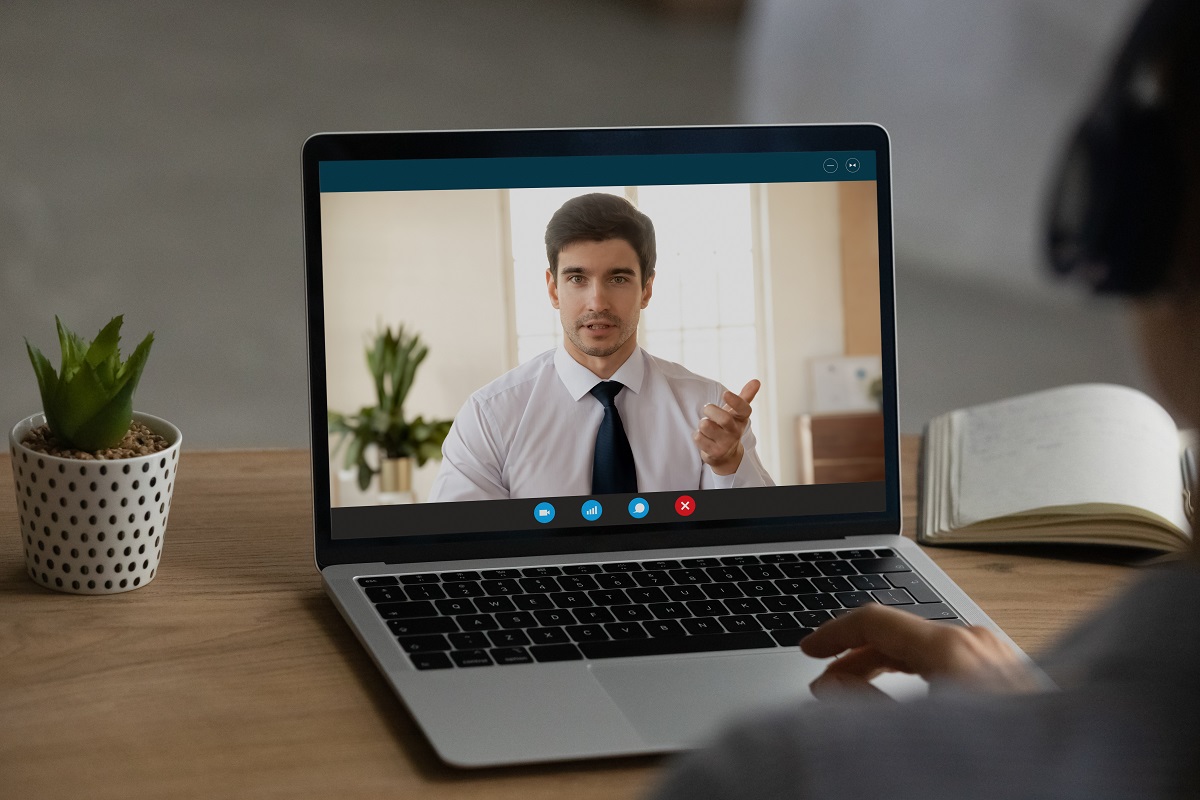

Market Shift and Demand for High Commission Sales Closers
The global sales landscape has shifted dramatically due to digital transformation and remote-first business models. Companies are no longer relying solely on traditional salaried sales teams because performance-based structures provide more predictable revenue outcomes. This shift has created a strong demand for high commission sales closers who can directly convert qualified leads into paying customers. Businesses across industries now prioritize measurable results over fixed payroll costs. The rise of online coaching, SaaS platforms, consulting firms, and digital agencies has accelerated this demand even further. Organizations in markets such as the USA, UK, Canada, Australia, UAE, and Singapore are increasingly hiring remote closers to scale revenue without geographical limitations. As competition intensifies, companies are seeking professionals who can confidently handle high-value conversations and consistently close deals.
Role Definition of High Commission Sales Closers
High commission sales closers are professionals responsible for turning warm or qualified leads into paying clients, usually in high-ticket environments. Their work is centered on persuasive communication, structured sales conversations, and strategic objection handling. Unlike entry-level sales representatives, they focus heavily on closing rather than prospecting. These professionals often engage in discovery calls, consultative conversations, and final-stage negotiations. They must understand the buyer’s pain points and align solutions in real time during conversations. High commission sales closers also act as the final decision influencers in the sales pipeline. Their performance directly impacts company revenue, making them a critical part of any high-growth business.
Why Businesses Prefer High Commission Sales Closers
Companies are increasingly turning toward high commission-based structures because they reduce financial risk and improve performance alignment. Instead of paying fixed salaries regardless of output, businesses compensate closers based on actual revenue generated. This ensures that sales professionals are motivated to perform at a higher level consistently. It also allows organizations to scale faster without increasing overhead costs. High commission sales closers bring flexibility to business operations, especially in fluctuating market conditions. Another key advantage is access to global talent, enabling companies to hire top performers regardless of location. This model is especially attractive for digital-first companies that rely on scalable acquisition systems.
Skills Required for High Commission Sales Closers
Success in this role requires a combination of communication, psychology, and technical sales skills. High commission sales closers must be able to build trust quickly and guide conversations with confidence. Emotional intelligence plays a major role in understanding buyer motivations and hesitations. Active listening is essential for identifying hidden objections and unmet needs. Strong negotiation skills help in structuring deals that benefit both the client and the business. Additionally, closers must be highly adaptable, as every conversation can differ significantly.
Key skills include:
-
Advanced objection handling and reframing techniques
-
High-level communication and storytelling ability
-
Deep understanding of buyer psychology
-
CRM and pipeline management proficiency
-
Time management for handling multiple deals
-
Emotional resilience during rejection-heavy environments
-
Product and service knowledge mastery
These skills collectively allow high commission sales closers to consistently perform in competitive environments and maximize earnings.
Comparison Between High Commission Sales Closers and Traditional Sales Roles
Traditional sales representatives typically operate on fixed salaries with smaller commission incentives, whereas high commission sales closers operate primarily on performance-based earnings. The difference in income potential is substantial, especially in high-ticket industries. Traditional roles often involve cold calling and lead generation, while closers focus on closing already-qualified prospects. Autonomy is another key difference, as closers often manage their own schedules and pipelines. In contrast, traditional roles are usually more structured and supervised. High commission sales closers are expected to operate at a higher level of strategic thinking and emotional control. Businesses prefer this model because it directly ties compensation to revenue generation.
Income Potential of High Commission Sales Closers
The earning potential for high commission sales closers varies widely depending on industry, product pricing, and performance consistency. In high-ticket industries, even a few successful deals can generate significant monthly income. Some closers earn modest commissions when starting out, while top performers can reach substantial six-figure annual incomes. Recurring commission structures in subscription-based businesses further increase long-term earning stability. The ability to close consistently is the primary factor influencing income levels. Performance-based compensation ensures that earnings are directly tied to results rather than time spent working. This makes the role highly attractive for ambitious sales professionals.
Industries Offering High Commission Opportunities
High commission sales closers are in demand across multiple industries that rely on high-value transactions. Coaching and online education businesses frequently hire closers to convert program enrollments. SaaS companies use them to close subscription deals and enterprise contracts. Real estate investment firms depend on closers for property sales and investor onboarding. Financial services also offer lucrative opportunities for experienced closers. Digital marketing agencies hire closers to sell premium service packages. E-commerce brands with high-ticket products also benefit from skilled closing professionals.
Remote Work Revolution and Sales Closing Careers
The remote work revolution has significantly expanded opportunities for high commission sales closers. Professionals are no longer restricted by location and can work with companies across the globe. This flexibility allows access to higher-paying international markets and diverse industries. Remote closing roles rely heavily on digital communication tools and structured sales systems. Video conferencing platforms, CRM systems, and automated scheduling tools are essential for daily operations. While remote work offers freedom, it also requires strong discipline and self-management. Successful closers must maintain consistency without direct supervision.
Training Pathways for High Commission Sales Closers
Becoming a successful high commission sales closer requires structured learning and continuous improvement. Many professionals begin by learning foundational sales principles and gradually move into advanced closing strategies. Role-playing exercises are commonly used to simulate real sales conversations. Objection handling drills help build confidence and adaptability. Mentorship programs are highly valuable for accelerating skill development. Live call practice is essential for gaining real-world experience. Continuous feedback loops ensure ongoing improvement and performance refinement.
Common Mistakes That Reduce Closing Performance
Many aspiring high commission sales closers struggle due to avoidable mistakes that impact their effectiveness. One common issue is talking too much instead of actively listening to the prospect. Another mistake is pushing too aggressively instead of guiding the conversation naturally. Poor qualification of leads often leads to wasted time and lower conversion rates. Lack of product knowledge can weaken credibility during discussions. Inconsistent follow-up also reduces closing opportunities significantly. Emotional reactions during objections can damage trust and reduce deal success rates.
Tools and Systems Used by High Commission Sales Closers
Modern sales environments rely heavily on technology to streamline processes and improve efficiency. High commission sales closers use CRM platforms to track leads and manage pipelines effectively. Call recording tools help analyze performance and improve communication strategies. Scheduling software simplifies appointment setting and reduces administrative workload. Automation tools assist with follow-ups and lead nurturing. Analytics dashboards provide insights into conversion rates and performance trends. Communication platforms ensure smooth collaboration with remote teams.
Building a Personal Brand as a High Commission Sales Closer
Developing a personal brand can significantly increase opportunities for high commission sales closers. Online presence plays a key role in attracting high-quality business partnerships. Platforms like LinkedIn are commonly used to showcase expertise and build authority. Sharing insights and sales strategies helps establish credibility in the industry. Networking with business owners and agencies expands access to premium opportunities. A strong reputation often leads to higher-paying deals and consistent lead flow. Personal branding also differentiates top performers from average sales professionals.
Global Opportunities for High Commission Sales Closers
The demand for high commission sales closers continues to grow across global markets. In the USA, high-ticket industries dominate the demand for experienced closers. The UK and Europe are expanding their digital sales ecosystems rapidly. Canada and Australia are increasing investments in remote sales talent. The UAE is experiencing strong growth in luxury, real estate, and investment sectors. Singapore continues to expand its SaaS and technology-driven industries. Global businesses increasingly rely on remote closers to expand revenue streams without physical limitations.
Hiring Process for High Commission Sales Closers
Companies typically use structured hiring processes to evaluate high commission sales closers. Candidates are often required to participate in role-play sales scenarios. Performance during simulated calls is a key evaluation factor. Some companies use trial periods to assess real-world effectiveness. Conversion metrics and communication quality are closely monitored during onboarding. Interview processes focus heavily on practical skill demonstration rather than theoretical knowledge. Successful candidates are typically those who show consistency and confidence in closing scenarios.
Career Growth and Scaling Opportunities
High commission sales closers have multiple pathways for career advancement and income scaling. Many progress into senior closing roles with higher-value deals. Some move into sales leadership positions, managing teams of closers. Others choose to build independent freelance closing businesses. Working with multiple companies simultaneously can increase earning potential significantly. Some professionals transition into sales consulting and training roles. Long-term growth is highly dependent on skill development and performance consistency.
Future Outlook of High Commission Sales Closers
The future of high commission sales closers remains strong due to increasing demand for revenue-driven roles. AI and automation will enhance sales processes but will not replace human persuasion in high-ticket deals. Businesses will continue to rely on skilled closers for complex decision-making conversations. Remote work trends will further expand global hiring opportunities. Commission-based structures will evolve into more hybrid compensation models. Specialization within industries will become more common among top performers. Data-driven sales systems will enhance performance tracking and optimization.
FAQ
What industries hire high commission sales closers the most?
Industries such as coaching, SaaS, real estate, financial services, and digital marketing agencies frequently hire high commission sales closers.
How much can a beginner earn in this role?
Beginners can earn modest commissions initially, but income increases significantly with experience and consistent performance.
Do I need prior sales experience to become a high commission sales closer?
Prior experience is helpful but not always required, as many companies provide training and onboarding.
What skills are most important for success?
Communication, emotional intelligence, objection handling, and buyer psychology are the most critical skills.
Are remote high commission sales roles legitimate?
Yes, many established companies offer legitimate remote closing opportunities across global markets.
How do companies measure performance?
Performance is typically measured through conversion rates, revenue generated, and call quality metrics.
Can I work with multiple companies at the same time?
Yes, many experienced high commission sales closers work with multiple clients if agreements allow it.
Takeaway
High commission sales closers represent one of the most dynamic and financially rewarding roles in modern sales environments, especially as global businesses continue shifting toward performance-based revenue models.