
Understanding High Ticket Coaching Sales Closers
High ticket coaching sales closers are specialized professionals responsible for guiding potential clients through high-value enrollment decisions in premium coaching programs. They operate in a space where emotional clarity, trust, and transformation-driven messaging matter far more than traditional transactional selling. These closers focus on understanding the deeper goals of prospects and aligning them with coaching offers that require significant financial investment. Unlike general sales representatives, they are trained to navigate complex emotional and psychological decision-making processes. Their conversations are not centered on pressure but on clarity, alignment, and value discovery. In modern coaching businesses, they serve as the bridge between interest and commitment. This role has become essential as coaching programs continue to grow in price point and sophistication. High ticket coaching sales closers also help ensure that the right clients enter programs, which improves long-term satisfaction and outcomes.
The Role of High Ticket Coaching Sales Closers in Coaching Businesses
High ticket coaching sales closers play a central role in scaling coaching businesses by converting qualified leads into enrolled clients. They support coaches by taking over the sales responsibility so that coaches can focus on delivering transformational results. This separation of roles allows businesses to operate more efficiently and grow sustainably. Their conversations often determine whether a business reaches consistent revenue growth or struggles with unpredictable sales cycles. They help maintain a structured enrollment process that ensures every lead is properly evaluated. By doing so, they create a smoother client journey from awareness to decision. High ticket coaching sales closers also help reinforce brand credibility through professional communication. Their presence ensures that every potential client receives a high-quality, consistent experience.
Why Coaching Companies Rely on High Ticket Coaching Sales Closers
Coaching companies rely heavily on high ticket coaching sales closers because premium programs require a deeper level of communication and trust-building. These offers often involve life-changing transformations, which means clients must feel fully confident before committing. Traditional sales methods are not effective in these high-value environments because they lack emotional alignment. High ticket coaching sales closers understand how to guide conversations that uncover real needs and motivations. They help clients articulate their goals in ways they may not have previously expressed. This clarity often becomes the deciding factor in enrollment decisions. Coaching businesses also benefit from increased conversion rates when skilled closers manage conversations. Their expertise ensures that leads are not just sold to but properly aligned with the program’s outcomes.
Core Skills Every High Ticket Coaching Sales Closer Must Have
High ticket coaching sales closers must develop a unique blend of interpersonal and strategic skills to succeed. Emotional intelligence is one of the most important abilities, allowing them to read subtle cues during conversations. Active listening is equally critical, as it helps uncover deeper client motivations. Strong communication skills enable them to explain value clearly without overwhelming the prospect. They must also be skilled in objection handling, especially when dealing with pricing concerns or hesitation. Confidence in discussing high-value offers is essential for building trust. Additionally, they must understand human behavior and decision-making psychology at a deep level.
Key skills include:
-
Active listening and empathy-based communication
-
Emotional intelligence for reading client behavior
-
Objection handling with clarity and calmness
-
High-level persuasive communication without pressure
-
Deep understanding of coaching transformation outcomes
-
Confidence in discussing premium pricing structures
-
Ability to guide decision-making conversations naturally
These skills allow high ticket coaching sales closers to operate effectively in high-stakes conversations where emotional clarity is essential.
Sales Psychology Behind High Ticket Coaching Purchases
Sales psychology plays a significant role in how high ticket coaching sales closers guide enrollment conversations. Most purchasing decisions in this space are emotionally driven rather than purely logical. Prospects often seek transformation, identity shifts, or breakthroughs, which makes emotional alignment crucial. Trust becomes a major factor, as clients must feel safe investing in themselves at a high level. Decision fatigue also plays a role, especially when prospects are comparing multiple coaching options. High ticket coaching sales closers help simplify decisions by clarifying outcomes and removing uncertainty. Authority positioning further strengthens credibility and reduces hesitation. Understanding these psychological triggers allows closers to guide conversations more effectively and ethically.
The High Ticket Coaching Sales Conversation Framework
High ticket coaching sales closers often follow a structured conversation flow that helps guide prospects from curiosity to clarity. These conversations begin with understanding the client’s current situation and challenges. From there, they explore desired outcomes and long-term goals. The conversation then shifts toward identifying gaps between where the client is and where they want to be. High ticket coaching sales closers carefully align program benefits with these goals. They avoid rushing decisions and instead focus on building emotional alignment. Throughout the process, they ensure the client feels heard, understood, and supported.
The framework typically includes:
-
Discovery of current challenges and emotional triggers
-
Exploration of long-term goals and aspirations
-
Identification of obstacles preventing progress
-
Alignment between coaching solution and desired outcomes
-
Clarification of investment expectations and commitment level
This structured approach ensures consistency while still allowing flexibility for natural conversation flow.
Lead Qualification and Opportunity Positioning in Coaching Sales
Lead qualification is a critical responsibility for high ticket coaching sales closers because not every prospect is ready for a premium coaching program. Qualification ensures that time is spent only on individuals who are genuinely aligned with the offer. This includes evaluating readiness, financial capacity, and emotional commitment. High ticket coaching sales closers must also determine whether the coaching program is the right fit for the prospect’s goals. Proper qualification helps maintain high conversion rates and reduces wasted effort. Opportunity positioning involves framing the offer in a way that highlights transformation rather than features. This allows prospects to clearly understand the value they are receiving. Strong qualification processes lead to more meaningful client relationships and better program outcomes.
Handling Objections in High Ticket Coaching Sales Conversations
Objections are a natural part of high-value sales conversations, and high ticket coaching sales closers must handle them with confidence and empathy. Common objections include pricing concerns, timing issues, and uncertainty about outcomes. Instead of pushing back, skilled closers explore the root cause of hesitation. Price objections are often linked to perceived value rather than actual affordability. Timing concerns usually reflect fear of change or uncertainty about readiness. Trust-related objections require reassurance and clarity around results and process. High ticket coaching sales closers use these moments to deepen understanding rather than pressure decisions.
Building Trust and Authority in Global Coaching Markets
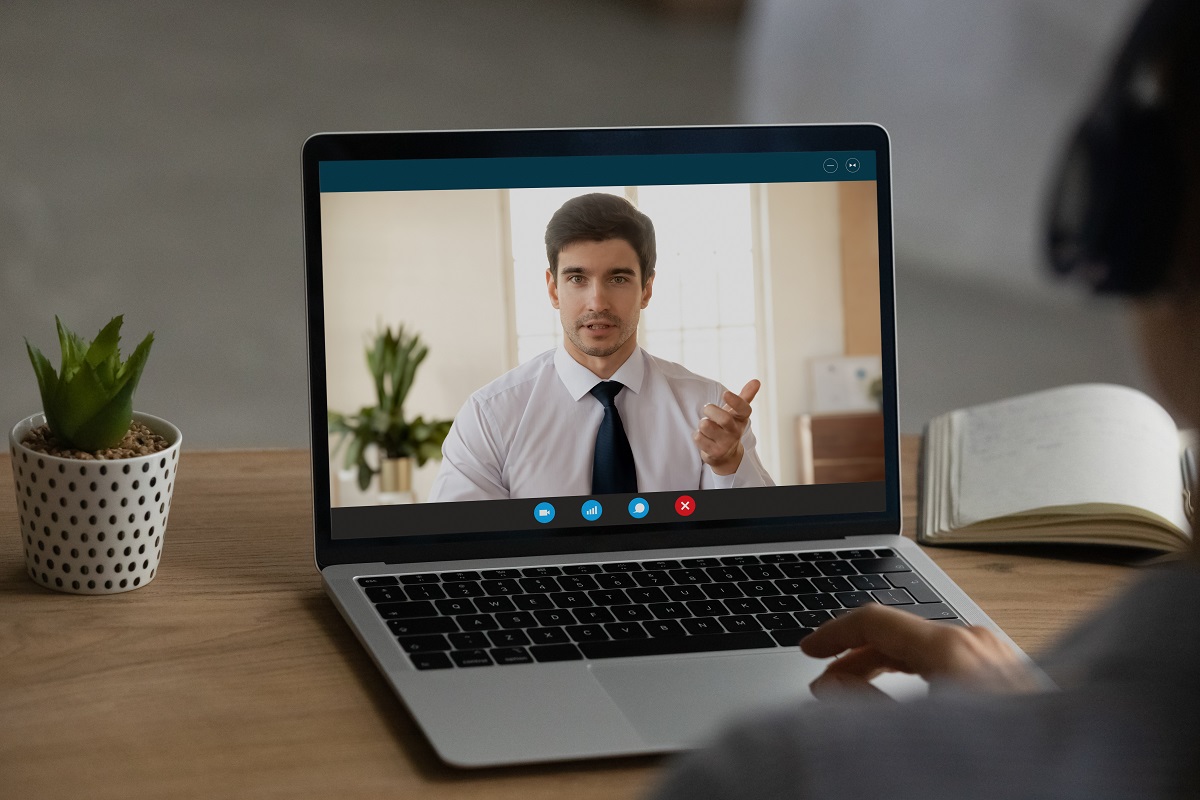
Trust is one of the most important elements in global coaching sales environments. High ticket coaching sales closers often work with clients from diverse regions including the USA, UK, Canada, Australia, UAE, and Singapore. Cultural awareness becomes essential when communicating across different markets. Clear and professional communication helps establish credibility quickly. Many conversations happen virtually, which makes tone and clarity even more important. High ticket coaching sales closers must also demonstrate consistency and reliability in every interaction. Authority is built through confident communication and structured conversations. This global nature of coaching sales creates opportunities for remote professionals worldwide.
Tools and Systems Used by High Ticket Coaching Sales Closers
Modern high ticket coaching sales closers rely heavily on tools and systems to manage their workflow efficiently. Customer relationship management systems help track leads and conversations. Scheduling tools simplify appointment setting across different time zones. Communication platforms enable seamless virtual sales calls. Script frameworks provide structure while allowing flexibility in conversations. Performance tracking tools help analyze conversion rates and identify areas for improvement. These systems ensure that closers can focus more on conversations rather than administrative tasks.
Compensation Models for High Ticket Coaching Sales Closers
High ticket coaching sales closers often operate under performance-based compensation structures. Commission-based earnings are common, where closers earn a percentage of each deal they close. Some roles offer a base salary combined with performance bonuses. Revenue-sharing models are also used in certain coaching businesses. Earnings potential is typically high due to the premium nature of the offers being sold. Skilled closers can generate significant income when consistently performing at a high level. This makes the role attractive for individuals seeking performance-driven careers in sales.
How to Become a High Ticket Coaching Sales Closer
Becoming a high ticket coaching sales closer requires both skill development and practical experience. Individuals typically start by learning foundational sales principles and communication techniques. Training programs focused on high ticket environments provide essential knowledge. Practicing real sales conversations helps build confidence and adaptability. Many aspiring closers also study psychology and behavioral decision-making. Exposure to coaching businesses helps deepen industry understanding. Over time, consistent practice leads to mastery of enrollment conversations.
Training Pathways and Skill Development for Coaching Sales Closers
Training for high ticket coaching sales closers often includes structured learning and hands-on practice. Online courses provide foundational knowledge in sales strategy and communication. Mentorship from experienced closers helps accelerate skill development. Role-playing exercises are commonly used to simulate real conversations. Continuous feedback loops help refine performance over time. Exposure to live calls builds real-world confidence. These pathways help individuals transition into professional sales roles within coaching businesses.
Common Mistakes High Ticket Coaching Sales Closers Should Avoid
High ticket coaching sales closers must avoid several common mistakes that can negatively impact performance. Over-talking during conversations can reduce clarity and engagement. Pushing for decisions instead of guiding them can create resistance. Ignoring emotional cues often leads to missed opportunities. Poor qualification of leads can result in wasted time and low conversion rates. Lack of structure in conversations can make the process feel inconsistent. Avoiding these mistakes helps improve both client experience and sales performance.
Global Demand for High Ticket Coaching Sales Closers
The demand for high ticket coaching sales closers continues to grow globally as the coaching industry expands. Many businesses now operate remotely, allowing closers to work from anywhere. Markets such as the USA, UK, Canada, Australia, UAE, and Singapore show strong demand for skilled professionals. Coaching programs are increasingly offered online, expanding global reach. This creates opportunities for sales closers to work with international clients. The remote nature of the role makes it highly attractive for digital professionals. As coaching continues to grow, demand for skilled closers is expected to increase further.
Future Trends in High Ticket Coaching Sales Closers
The future of high ticket coaching sales closers is influenced by technology and changing consumer behavior. Artificial intelligence tools are beginning to assist with lead qualification and conversation insights. Remote-first business models continue to expand across the coaching industry. Personalization in sales conversations is becoming more important than ever. Data-driven strategies are helping improve conversion rates and performance tracking. Global expansion of coaching programs is creating more opportunities for skilled closers. These trends indicate continued growth and evolution in the field.
Frequently Asked Questions About High Ticket Coaching Sales Closers
What does a high ticket coaching sales closer do in daily work?
They manage enrollment conversations, qualify leads, and guide prospects toward making high-value coaching decisions through structured communication.
How much can high ticket coaching sales closers earn?
Earnings vary widely, but many operate on commission-based structures that can result in significant income depending on performance.
Do high ticket coaching sales closers need experience?
Experience is helpful but not always required, as many professionals enter the field through training programs and mentorship.
Can high ticket coaching sales closers work remotely?
Yes, most roles are remote and involve virtual sales calls with clients from around the world.
What industries hire high ticket coaching sales closers?
They are primarily hired in coaching, consulting, online education, and personal development industries.
How do closers handle price objections?
They focus on clarifying value, outcomes, and transformation rather than reducing price sensitivity.
What makes someone successful in this role?
Strong communication, emotional intelligence, discipline, and the ability to guide conversations naturally are key success factors.
Takeaway
High ticket coaching sales closers play a vital role in connecting transformational coaching programs with clients who are ready for meaningful change. Their ability to navigate emotional conversations, build trust, and guide decision-making makes them essential in modern coaching businesses. As global demand continues to grow across markets such as the USA, UK, Canada, Australia, UAE, and Singapore, this career path offers strong opportunities for skilled professionals. Mastery in this field comes from consistent learning, practice, and understanding human behavior at a deep level.