What Is a Remote High Ticket Closing Job?
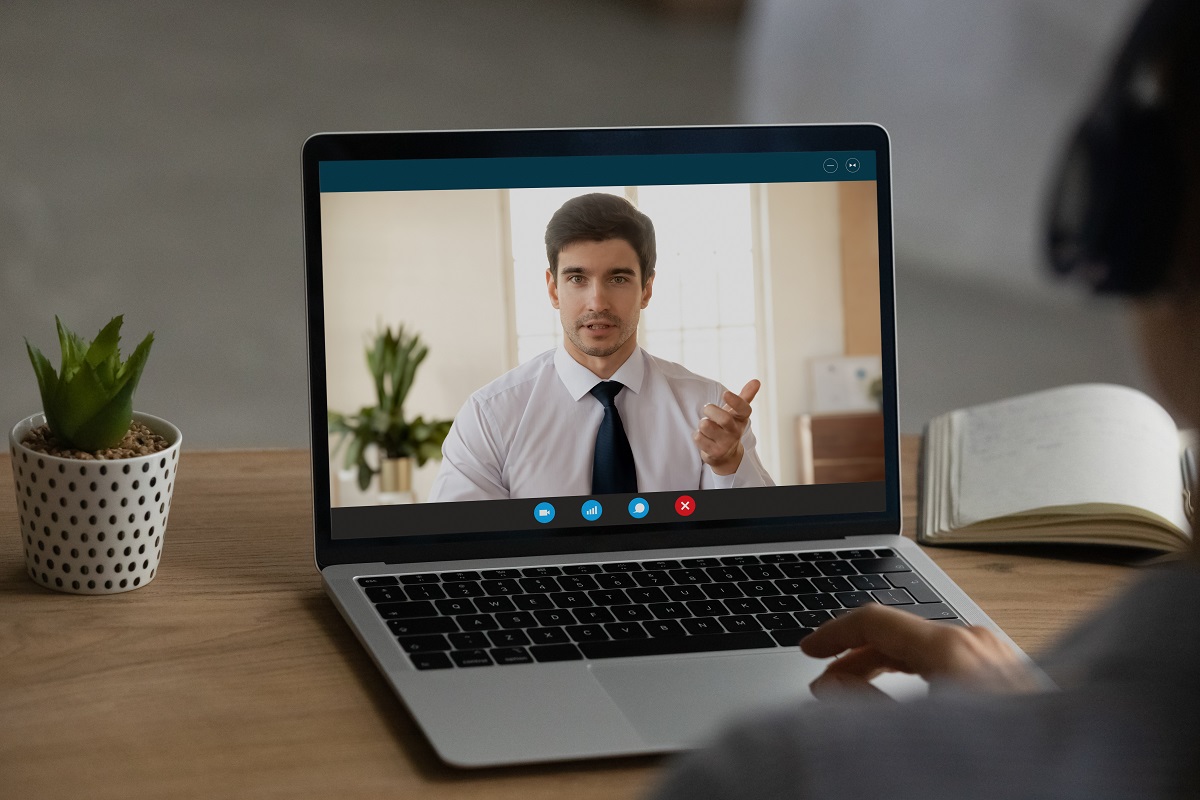
A remote high ticket closing job is a sales position where professionals close high-value deals entirely online or over the phone without meeting clients in person. These deals typically involve premium products or services such as coaching programs, business consulting packages, software subscriptions, or transformation-based offers that can range from hundreds to tens of thousands of dollars. Unlike traditional retail or low-ticket sales, this role focuses on helping qualified leads make significant purchasing decisions. The emphasis is not on volume but on quality conversations that lead to meaningful commitments. Remote closers operate from anywhere in the world as long as they have a stable internet connection and communication tools. Businesses rely on them because high-ticket offers require skilled communication and trust-building rather than aggressive selling. The role is often commission-based, meaning income is directly tied to performance and closed deals.
How Remote High Ticket Closing Works in Modern Sales Systems
Remote high ticket closing operates within a structured digital sales ecosystem designed to move prospects from awareness to purchase. Most businesses using this model rely heavily on marketing funnels that generate leads through ads, webinars, content marketing, or referral systems. Once a lead expresses interest, they are typically qualified by an appointment setter before being passed to a closer. The closer then steps in to conduct a one-on-one sales conversation aimed at understanding needs and presenting a tailored solution.
A typical workflow includes multiple coordinated stages such as:
-
Lead generation through paid or organic marketing channels
-
Appointment scheduling by setters or automated booking systems
-
Sales calls conducted over Zoom or similar platforms
-
Follow-up communication for undecided prospects
-
CRM updates and pipeline tracking for performance analysis
The entire system is built to ensure closers spend their time only on high-quality conversations rather than cold outreach. This structure allows remote high ticket closing job professionals to focus entirely on persuasion, problem-solving, and relationship-building.
Core Responsibilities of a Remote High Ticket Closer
A remote high ticket closer is responsible for guiding potential buyers through the final and most critical stage of the sales process. Their primary role is to convert warm leads into paying clients by having structured yet conversational sales calls. These professionals must deeply understand the offer they are selling so they can clearly communicate its value. They also need to identify emotional and logical buying triggers that influence decision-making.
Key responsibilities often include:
-
Conducting discovery calls to understand client goals and challenges
-
Presenting high-value offers in a clear and compelling way
-
Addressing objections such as price concerns or hesitation
-
Building trust quickly within a limited conversation window
-
Following up with prospects who need additional time to decide
-
Logging detailed notes into CRM systems for tracking performance
Each of these tasks requires focus, adaptability, and strong interpersonal communication. Success in this role depends on the ability to guide conversations naturally while still steering them toward a decision.
Skills Required to Succeed in a Remote High Ticket Closing Job
To perform well in a remote high ticket closing job, individuals must develop a blend of soft skills and strategic sales abilities. Communication is one of the most important skills since closers must articulate value clearly and confidently. Emotional intelligence plays a major role in understanding client hesitation and responding appropriately. Active listening allows closers to pick up on subtle cues that indicate readiness or resistance.
Other essential skills include:
-
Persuasive communication without sounding pushy
-
Confidence in handling rejection and objections
-
Strong negotiation ability for premium-priced offers
-
Time management in a fully remote environment
-
Understanding buyer psychology and decision-making patterns
-
Ability to remain calm under pressure during high-stakes conversations
Developing these skills takes consistent practice, especially through role-playing and real-world call experience. Many successful closers refine their abilities over time by reviewing recorded calls and improving their approach continuously.
Tools and Platforms Used in Remote High Ticket Closing
Remote high ticket closing job professionals rely on various digital tools to manage communication, track performance, and organize client interactions. These tools ensure that the sales process runs smoothly even when teams are distributed globally. Technology plays a central role in maintaining efficiency and transparency across the entire pipeline.
Common tools include:
-
Video conferencing tools like Zoom or Google Meet
-
Scheduling software such as Calendly for booking calls
-
Messaging tools like Slack or WhatsApp Business for coordination
-
Call recording software for performance review
-
Funnel tracking tools for monitoring lead behavior
These platforms help closers stay organized and focused on selling rather than administrative tasks. They also allow managers to measure performance and optimize conversion rates effectively.
Industries That Commonly Hire Remote High Ticket Closers
The demand for remote high ticket closing job professionals spans multiple industries, especially those that offer premium digital products or services. Businesses that sell transformation-based or results-driven offers often rely heavily on skilled closers. These industries value communication and trust-building over transactional selling.
Common industries include:
-
Online coaching and personal development programs
-
Digital marketing agencies offering premium services
-
SaaS companies with high-value subscription packages
-
Real estate investment and education platforms
-
Health, fitness, and wellness transformation programs
-
Online education and certification providers
Each of these industries involves high-value decisions that require reassurance, clarity, and strong persuasion skills. Remote closers act as the final bridge between interest and investment.
How Commission Structures Work in Remote High Ticket Closing Job Roles
One of the most attractive aspects of a remote high ticket closing job is the commission-based earning structure. Instead of receiving a fixed salary, closers earn a percentage of each deal they close. This creates significant income potential, especially when working with high-value offers. Commission structures vary depending on the company and product pricing.
Typical structures include:
-
Percentage-based commissions ranging from 5% to 20% per sale
-
Flat-rate commissions for each closed deal
-
Tiered systems where top performers earn higher percentages
-
Recurring commissions for subscription-based products
-
Bonuses for exceeding monthly targets
Because deal sizes can range from a few thousand to tens of thousands of dollars, even a small number of closed deals can result in substantial income. Performance directly influences earnings, making this role highly results-driven.
Salary Expectations and Earning Potential
Earnings in a remote high ticket closing job vary widely depending on skill level, industry, and deal size. Beginners may start with modest earnings as they learn the process and build confidence in handling calls. However, experienced closers often scale their income significantly over time.
General earning ranges include:
-
Entry-level closers: moderate income during learning phase
-
Mid-level closers: consistent high monthly commissions
-
Advanced closers: six-figure annual earning potential or higher
Income is influenced by several factors such as number of calls taken, conversion rate, product price, and lead quality. Consistency plays a major role, as strong closers maintain steady performance across multiple months. Unlike traditional jobs, there is no fixed ceiling, making this career path appealing to performance-driven individuals.
Step-by-Step Path to Becoming a Remote High Ticket Closer
Entering a remote high ticket closing job requires a structured approach to skill development and career positioning. While prior experience in sales is helpful, it is not always required. Many professionals transition into this field from unrelated careers.
Key steps include:
-
Learning basic sales and communication principles
-
Practicing objection handling through role-play exercises
-
Developing a simple but effective sales conversation framework
-
Gaining experience in entry-level sales or appointment setting roles
-
Networking with agencies and online business owners
-
Applying for remote closing opportunities
Building confidence is one of the most important stages in this process. The more exposure a person has to real or simulated sales conversations, the faster they develop competence.
Training Options and Skill Development Paths
Training plays a critical role in preparing for a remote high ticket closing job. Many individuals invest in structured learning programs to accelerate their growth. These programs often focus on persuasion, communication, and closing strategies.
Popular learning paths include:
-
Online sales training programs focused on high ticket closing
-
Mentorship from experienced closers or sales coaches
-
Practice communities for role-playing sales calls
-
Self-study using books and online resources on persuasion
-
Live call breakdown sessions for performance improvement
Continuous learning is essential because buyer behavior and sales techniques evolve over time. Successful closers often dedicate time weekly to refining their skills.
Common Challenges in Remote High Ticket Closing Jobs
While the role offers high earning potential, it also comes with challenges that require resilience. One of the biggest challenges is handling rejection, as not every lead will convert. Emotional control is essential in maintaining consistency. Another challenge is dealing with inconsistent income, especially in commission-only structures.
Other common challenges include:
-
Managing pressure from high-value deals
-
Working with unqualified or hesitant leads
-
Staying motivated in a remote environment
-
Balancing multiple time zones for global clients
-
Maintaining performance during slow periods
Overcoming these challenges requires discipline, mental toughness, and structured routines. Many closers develop systems to stay focused and productive regardless of external conditions.
How to Find Legitimate Remote High Ticket Closing Job Opportunities
Finding legitimate opportunities in this field requires careful research and networking. Many companies hire remote closers, but not all opportunities are equal in quality or credibility. It is important to evaluate companies before committing.
Reliable methods include:
-
Remote job platforms specializing in sales roles
-
Networking in online business and coaching communities
-
Direct outreach to business owners and agencies
-
Freelance platforms with verified sales projects
-
Referrals from other sales professionals
It is important to research company background, product quality, and compensation structure before accepting any offer. Legitimate companies usually have structured onboarding and clear expectations.
Red Flags and Scams to Avoid
As the popularity of remote high ticket closing job opportunities grows, so do misleading offers. Some programs promise unrealistic income without requiring skill development. Others charge upfront fees without providing real job opportunities.
Warning signs include:
-
Guaranteed high income with no experience required
-
Requests for upfront payment to access job listings
-
Lack of transparency about the product or service
-
No formal onboarding or training process
-
Aggressive or rushed recruitment tactics
Being cautious helps avoid wasting time and money on unreliable opportunities. Genuine employers focus on skill, performance, and long-term growth.
Remote High Ticket Closing Job Interview Process
The hiring process for this role is typically more practical than traditional interviews. Companies often evaluate communication skills and sales ability directly. Candidates may be asked to participate in mock sales calls or role-playing exercises.
Common steps include:
-
Initial screening interview
-
Sales aptitude assessment
-
Mock sales call simulation
-
Objection handling evaluation
-
Final interview with hiring manager or founder
Performance during these stages often matters more than resume experience. Strong communication and confidence can significantly improve hiring chances.
A Typical Day in a Remote High Ticket Closer Role
A remote high ticket closing job usually involves a structured but flexible daily routine. Most closers begin by reviewing their schedule and preparing for upcoming calls. They often analyze lead information before speaking with prospects.
A typical day may include:
-
Reviewing CRM and lead notes
-
Conducting scheduled sales calls
-
Following up with undecided prospects
-
Updating pipeline progress
-
Collaborating with setters or marketing teams
-
Practicing scripts or reviewing past calls
The workload is focused on communication rather than repetitive administrative tasks. Time management plays a major role in maintaining productivity.
Career Growth Opportunities in Remote High Ticket Closing
This career path offers multiple growth opportunities beyond closing deals. Many professionals transition into leadership roles or build independent businesses. The skills gained in sales are transferable across industries.
Growth paths include:
-
Sales team leadership or management roles
-
Independent freelance closing business
-
Sales consulting for companies
-
Training and mentoring new closers
-
Business development positions
With experience, many closers also move into entrepreneurship or high-level consulting roles.
Future Outlook of Remote High Ticket Closing Jobs
The demand for remote high ticket closing job professionals continues to grow as more businesses shift online. Digital products and services are expanding rapidly across industries. Companies increasingly rely on skilled closers to convert high-value leads into customers.
Future trends include:
-
Increased use of AI-assisted sales tools
-
Growth of remote-first sales teams
-
Expansion of coaching and SaaS industries
-
Greater reliance on performance-based hiring
-
More global remote sales opportunities
This role is expected to remain relevant as long as businesses continue selling high-value digital offers.
Frequently Asked Questions
What is a remote high ticket closing job?
A remote high ticket closing job involves closing high-value sales over phone or video calls from anywhere in the world.
Do I need experience to get started?
Experience helps, but many companies hire beginners who demonstrate strong communication skills and willingness to learn.
How much can beginners earn?
Beginners typically earn modest commissions at first, with income increasing as skills improve.
Are these jobs legitimate?
Yes, but it is important to verify companies and avoid scams that promise unrealistic earnings.
What skills are most important?
Communication, emotional intelligence, persuasion, and confidence are essential.
How long does it take to become skilled?
Most people improve significantly within a few months of consistent practice.
Can this be done part-time?
Yes, some roles offer flexible schedules, though full-time performance often leads to higher income.
What industries hire remote closers most?
Coaching, SaaS, digital marketing, and online education are among the top industries.
Takeaway
A remote high ticket closing job offers a performance-driven career path where communication skills directly influence income potential. Success depends on mastering persuasion, understanding buyer psychology, and consistently improving through practice and training. While the role is competitive, it provides significant earning opportunities for those willing to develop the necessary skills.