
What Remote High Ticket Sales Really Means in Today’s Digital Economy
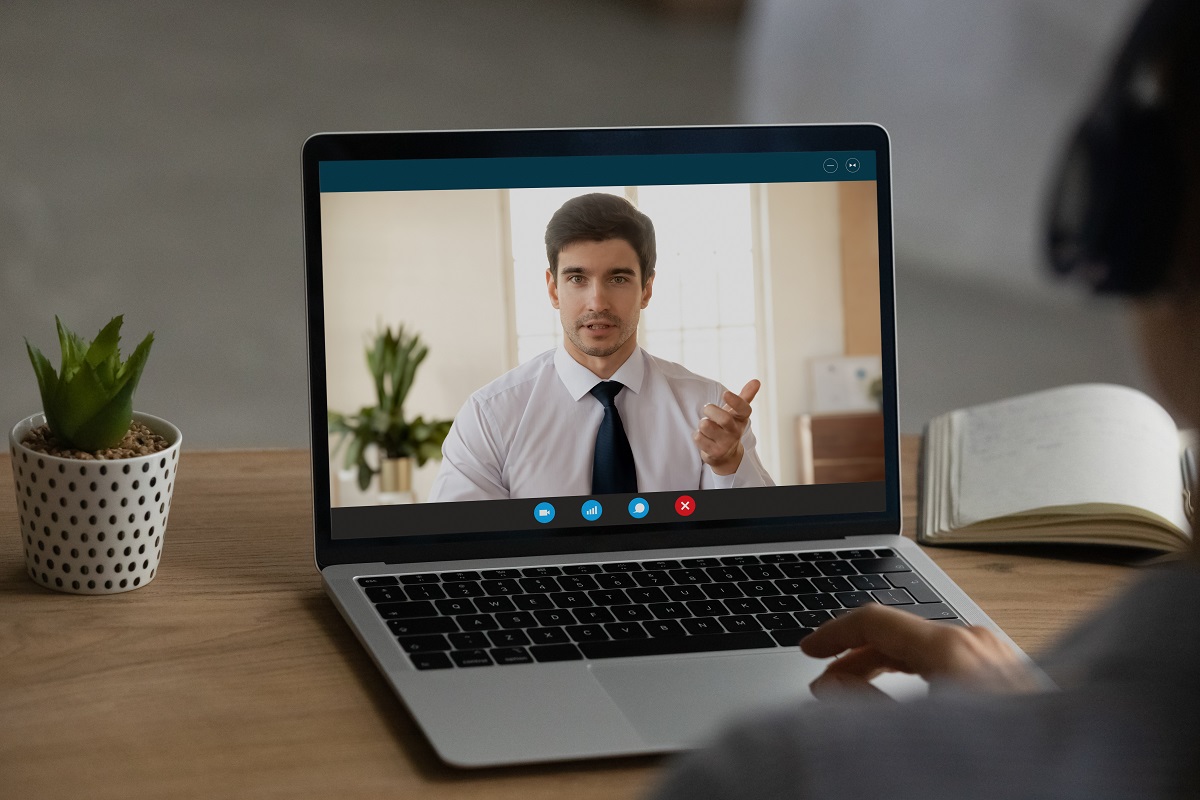
Remote high ticket sales refers to the process of selling premium-priced products or services through virtual communication channels such as phone calls, video meetings, and online messaging systems. These offers are typically high-value programs, coaching packages, consulting services, or software solutions that require a strong level of trust before a purchase decision is made. Unlike traditional retail or low-cost digital sales, remote high ticket sales focuses heavily on relationship building and understanding buyer needs at a deeper level. The process is not about pushing a product but guiding potential clients toward a meaningful decision that aligns with their goals.
In today’s digital economy, remote high ticket sales has become a key revenue driver for many online businesses. Companies prefer this model because it allows them to reach global clients without needing a physical office presence. Sales professionals operate from anywhere in the world, as long as they have stable internet access and communication tools. This flexibility has transformed how businesses scale their revenue teams and how individuals build income streams.
High ticket offers often involve prices ranging from hundreds to tens of thousands of dollars. Because of this, the sales process is more consultative than transactional. The salesperson acts as a guide rather than a traditional seller, helping prospects evaluate whether the investment is worth it. This creates a more personalized and human-centered buying experience, even in a virtual setting.
Remote high ticket sales is also strongly influenced by digital marketing funnels. Leads are typically generated through ads, webinars, or content marketing strategies. Once prospects enter the funnel, they are guided toward a scheduled sales conversation with a closer who manages the final decision stage.
This modern sales model has become essential for industries that rely on transformation-based offers. Clients are not just buying products; they are investing in outcomes, solutions, and long-term value.
The Rise of Remote High Ticket Sales in the Digital Workforce
The growth of remote high ticket sales is closely tied to the expansion of online business ecosystems. As more companies shift toward digital platforms, the demand for skilled remote closers has increased significantly. Businesses no longer depend solely on in-house sales teams, as remote professionals can deliver equal or even better performance through structured systems and global reach.
Online education, coaching programs, and software companies have been major drivers of this trend. These industries rely heavily on high-value offers that require persuasive and consultative selling approaches. Remote high ticket sales professionals help bridge the gap between marketing-generated leads and final conversions.
Another factor contributing to this rise is the normalization of remote work. The global workforce has adapted to virtual collaboration, making it easier for sales teams to operate across time zones and continents. This shift has opened opportunities for individuals seeking flexible income models that are not tied to physical locations.
Businesses also benefit from cost efficiency when using remote closers. Instead of maintaining large office-based sales departments, companies can work with independent contractors or remote teams that operate on performance-based compensation structures. This reduces overhead costs while maintaining high revenue potential.
The accessibility of training resources has also contributed to growth in this field. Many individuals can now learn sales skills through online courses, mentorship programs, and virtual practice environments. This has lowered the barrier to entry and created a more diverse talent pool in remote high ticket sales.
Core Components of a Remote High Ticket Sales System
Remote high ticket sales operates through a structured system that ensures leads are properly nurtured before reaching a closing conversation. Each stage of the process plays a crucial role in maximizing conversion rates and maintaining a smooth customer experience.
A typical system includes several interconnected components:
-
Lead generation through ads, content, or referrals
-
Appointment scheduling and qualification processes
-
Discovery and sales calls conducted via video or phone
-
CRM tracking and pipeline management
-
Payment processing and onboarding procedures
-
Follow-up systems for non-converted leads
Each of these components works together to create a seamless buyer journey. Without proper alignment, even high-quality leads may fail to convert.
Lead generation is often handled by marketing teams or automated systems. These leads are then filtered based on interest level and readiness to buy. Appointment setters ensure that only qualified prospects move forward to sales calls.
The remote closer then takes over the conversation, focusing on understanding the prospect’s needs and presenting the offer in a meaningful way. After the call, CRM tools help track outcomes and ensure proper follow-up strategies are implemented.
Skills Required to Succeed in Remote High Ticket Sales
Success in remote high ticket sales depends heavily on interpersonal and psychological skills rather than technical knowledge alone. The ability to communicate clearly and confidently plays a major role in influencing buyer decisions. Emotional intelligence is equally important because sales professionals must understand the motivations and concerns of potential clients.
Active listening is a core skill that allows closers to identify hidden objections and emotional triggers. Instead of focusing on scripts, successful professionals adapt their communication style based on the conversation flow. This creates a more natural and trustworthy interaction.
Confidence is another essential trait, especially when discussing high-value investments. Buyers need to feel assured that they are making the right decision, and this confidence is often reflected in the salesperson’s tone and approach.
Time management also plays a significant role in remote environments. Without structured office schedules, professionals must discipline themselves to maintain productivity and consistent performance.
Key skills often include:
-
Persuasive communication and storytelling
-
Objection handling and negotiation techniques
-
Emotional awareness and rapport building
-
Structured discovery questioning
-
Self-discipline in remote work environments
These skills collectively determine long-term success in remote high ticket sales.
Understanding Buyer Psychology in High Ticket Offers
Buyer psychology is at the center of remote high ticket sales because purchasing decisions for premium offers are rarely based on logic alone. Emotional drivers often play a larger role than technical features or pricing. Buyers want to feel understood, supported, and confident in their decision.
Trust is one of the most important elements in this process. Since the interaction is virtual, sales professionals must build credibility through communication, clarity, and consistency. Prospects need to feel that the solution is tailored specifically to their situation.
Urgency and value perception also influence decision-making. When prospects understand the potential transformation or outcome, they are more likely to commit. However, ethical application of urgency is essential to avoid pressure-based selling.
Remote high ticket sales professionals also focus on identifying pain points and desired outcomes. By aligning the offer with the buyer’s goals, the conversation becomes more meaningful and solution-oriented.
Step-by-Step Process of Remote High Ticket Sales
The remote high ticket sales process follows a structured flow designed to guide prospects from curiosity to commitment. Each stage builds on the previous one to ensure clarity and alignment.
The process typically begins with pre-call research. Sales professionals review lead information to understand background, interests, and potential needs. This preparation helps create a personalized conversation.
During the discovery phase, the goal is to understand the prospect’s challenges and goals. Instead of pitching immediately, the focus is on asking meaningful questions that uncover deeper motivations.
Once clarity is established, the offer is presented as a solution. The emphasis is on transformation rather than features.
Common steps include:
-
Reviewing lead background before the call
-
Asking discovery questions to identify needs
-
Understanding emotional and practical motivations
-
Presenting the offer as a tailored solution
-
Addressing objections with clarity and confidence
-
Guiding the prospect toward a decision
Follow-up communication may also be used when prospects need additional time to decide.
Tools and Technology Used in Remote High Ticket Sales
Remote high ticket sales relies heavily on digital tools that streamline communication and organization. These tools ensure that sales professionals can manage leads efficiently and maintain consistent performance.
Video conferencing platforms are essential for conducting sales calls. CRM systems help track lead progress and maintain organized pipelines. Automation tools assist with scheduling and follow-ups, reducing manual workload.
Other commonly used tools include:
-
Customer relationship management systems for tracking leads
-
Video conferencing software for remote meetings
-
Automated scheduling platforms
-
Digital contract and payment processing tools
-
Messaging platforms for team communication
These technologies allow remote teams to function smoothly without physical interaction.
Common Challenges in Remote High Ticket Sales and How to Overcome Them
While remote high ticket sales offers flexibility and earning potential, it also comes with challenges. One of the most common issues is inconsistent performance, especially for beginners. Sales outcomes can vary depending on lead quality and communication effectiveness.
Another challenge is maintaining motivation without a structured office environment. Remote professionals must develop personal discipline to stay productive.
Other challenges include:
-
Handling rejection without losing confidence
-
Managing time zone differences with global clients
-
Dealing with fluctuating lead flow
-
Avoiding burnout from high-intensity calls
-
Maintaining consistency in daily performance
Overcoming these challenges requires structured routines, ongoing training, and mental resilience.
Income Potential and Compensation Models in Remote High Ticket Sales
Income in remote high ticket sales varies widely depending on experience, niche, and performance. Most roles operate on commission-based structures, meaning earnings are directly tied to sales results. This creates high earning potential for skilled professionals.
Some positions offer base pay combined with commissions, while others are strictly performance-based. High-performing closers can earn significant monthly income by closing multiple high-value deals.
Income factors include:
-
Size of the product or service being sold
-
Commission percentage structure
-
Conversion rates from leads to sales
-
Industry demand and market positioning
-
Individual skill and experience level
Because of these variables, remote high ticket sales is often considered a high-reward career path for strong performers.
How to Get Started in Remote High Ticket Sales
Starting a career in remote high ticket sales requires building foundational knowledge and practicing communication skills. Many beginners begin by studying sales psychology and learning basic closing techniques.
Practice is essential, especially through roleplay exercises or simulated calls. This helps build confidence before engaging with real prospects.
Steps often include:
-
Learning core sales communication principles
-
Practicing objection handling techniques
-
Applying for entry-level remote sales roles
-
Joining sales training programs or mentorship groups
-
Building consistency through daily practice
Entry into this field is accessible, but long-term success depends on continuous improvement.
Mistakes to Avoid in Remote High Ticket Sales
Many beginners struggle due to common mistakes that affect performance. One major mistake is focusing too much on selling rather than understanding the client’s needs. This often leads to resistance during calls.
Another mistake is failing to qualify leads properly. Speaking to unqualified prospects reduces efficiency and lowers conversion rates.
Other mistakes include:
-
Over-reliance on scripted conversations
-
Poor follow-up communication
-
Lack of emotional connection with prospects
-
Ignoring buyer objections instead of addressing them
-
Inconsistent performance habits
Avoiding these mistakes can significantly improve results in remote high ticket sales.
Remote High Ticket Sales vs Traditional Sales Careers
Remote high ticket sales differs significantly from traditional sales roles in terms of flexibility and structure. Traditional sales often require physical presence in offices or retail environments, while remote roles allow professionals to work from anywhere.
Income structures also differ. Traditional roles may rely heavily on base salaries, while remote high ticket sales often emphasizes commission-based earnings.
Work environment differences include:
-
Remote flexibility versus fixed office schedules
-
Global client interaction versus local market focus
-
Performance-based income versus salary stability
-
Independent workflow versus structured supervision
Remote high ticket sales offers more autonomy but requires higher self-discipline.
Industries That Rely Heavily on Remote High Ticket Sales
Several industries depend heavily on remote high ticket sales professionals to drive revenue. These industries typically offer transformation-based or high-value solutions.
Common industries include:
-
Online coaching and personal development
-
Software-as-a-Service companies
-
Business consulting firms
-
Real estate education platforms
-
High-level certification and training programs
These industries benefit from consultative selling approaches that focus on outcomes rather than products.
Daily Routine of a Remote High Ticket Sales Professional
A structured daily routine is essential for success in remote high ticket sales. Most professionals begin their day by preparing mentally and reviewing their scheduled calls.
The workday typically includes multiple focused call blocks where sales conversations take place. Between calls, professionals review notes, update CRM systems, and prepare for upcoming conversations.
A typical routine may involve:
-
Reviewing leads and schedules
-
Conducting discovery and closing calls
-
Updating pipeline progress in CRM tools
-
Taking breaks to maintain mental clarity
-
Reviewing performance at the end of the day
Consistency in routine directly impacts long-term performance.
Building Long-Term Success in Remote High Ticket Sales
Long-term success in remote high ticket sales requires continuous improvement and adaptability. Professionals who consistently refine their communication skills tend to perform better over time.
Building strong relationships with clients and teams also contributes to long-term stability. Many experienced closers eventually move into leadership roles or manage sales teams.
Sustainable success often involves:
-
Continuous skill development and training
-
Expanding industry knowledge
-
Strengthening communication techniques
-
Building professional networks
-
Maintaining performance consistency
Growth in this field is highly dependent on effort and adaptability.
FAQ: Remote High Ticket Sales
What is remote high ticket sales?
Remote high ticket sales is the process of selling high-value products or services through virtual communication platforms like phone or video calls.
Do I need experience to start in remote high ticket sales?
No prior experience is required for entry-level roles, but training and practice significantly improve success rates.
How much can you earn in remote high ticket sales?
Income varies widely, but skilled professionals can earn substantial commissions depending on performance and deal size.
Is remote high ticket sales a stable career?
Stability depends on performance, lead flow, and industry demand, making consistency important.
What industries hire remote high ticket closers?
Coaching, SaaS, consulting, education, and real estate-related industries commonly hire remote closers.
Can I work from anywhere in remote high ticket sales?
Yes, most roles are location-independent as long as you have internet access and communication tools.
Takeaway
Remote high ticket sales offers a flexible and potentially high-income career path for individuals who are willing to develop strong communication, emotional intelligence, and sales skills. It is a performance-driven field where success depends on consistency, discipline, and the ability to understand buyer psychology. Those who commit to continuous learning and structured routines can build long-term opportunities in global digital markets.