
Why Sales Closers Are More Valuable Than Ever
In today’s competitive landscape, generating leads is no longer the hardest part of running a business. The real challenge lies in converting those leads into paying clients, which is where sales closers step in. Companies invest heavily in marketing campaigns, funnels, and advertising, yet without effective closing, much of that effort fails to produce meaningful revenue. This growing gap has made skilled sales closers highly sought after across industries. Businesses are now prioritizing individuals who can confidently guide prospects through the final decision making stage. The rise of online coaching, SaaS platforms, and digital services has further fueled this demand. As a result, sales closers are now considered essential drivers of growth rather than optional team members.
Understanding the Role of Sales Closers
Sales closers specialize in the final stage of the sales journey, where interest turns into commitment. Unlike lead generators or appointment setters, they engage directly with prospects who are already somewhat qualified. Their role involves asking the right questions, identifying pain points, and presenting solutions in a compelling way. This requires both emotional intelligence and a deep understanding of the product or service being offered. Sales closers must also adapt their approach depending on each prospect’s personality and concerns. Their ability to navigate conversations determines whether a deal is won or lost. Because of this, they often carry a significant level of responsibility within a company’s sales team.
Core Skills That Define High Performing Sales Closers
Building Trust Through Effective Communication
Trust is the foundation of every successful sale, and sales closers must establish it quickly. This involves more than simply delivering information, it requires genuine engagement with the prospect. Active listening allows closers to uncover the real motivations behind a purchase decision. Clear communication ensures that the value of the offer is fully understood. Sales closers also need to maintain a confident tone without sounding overly aggressive. Adjusting communication style based on the prospect’s responses can significantly improve outcomes. When trust is present, the closing process becomes much smoother.
Leveraging Psychology to Influence Decisions
Understanding human behavior is a powerful advantage for sales closers. Many buying decisions are driven by emotion rather than logic, which means closers must connect on both levels. Recognizing hesitation, fear, or uncertainty allows them to respond appropriately. Ethical persuasion techniques help guide prospects toward decisions that genuinely benefit them. Creating a sense of urgency can encourage action without applying pressure. Transparency builds credibility and strengthens long term relationships. Sales closers who master these psychological elements consistently outperform their peers.
Turning Objections into Opportunities
Objections are not signs of failure, they are signals that a prospect needs more clarity or reassurance. Skilled sales closers approach objections with curiosity rather than defensiveness. By asking follow up questions, they can identify the root cause of the concern. This allows them to provide solutions that directly address the issue. Confidence plays a key role in maintaining control of the conversation. Each objection handled effectively brings the prospect closer to making a decision. Over time, this skill becomes one of the most valuable assets a closer can develop.
Applying Proven Closing Strategies
Closing strategies provide structure and direction during sales conversations. Sales closers must know when to guide the prospect toward a decision and when to give them space. Techniques such as the consultative close or assumptive close can be highly effective when used correctly. Timing is crucial, as pushing too early can create resistance. Reading verbal and non verbal cues helps determine the right moment to move forward. Flexibility is also important, as no two prospects are exactly the same. Mastering these strategies leads to more consistent results.
A Day in the Life of Sales Closers
The daily routine of sales closers revolves around preparation, execution, and reflection. They begin by reviewing scheduled calls and gathering relevant information about each prospect. During calls, their focus is on building rapport and guiding the conversation toward a clear outcome. After each interaction, they document key details to ensure proper follow up. Sales closers also spend time analyzing their performance to identify areas for improvement. Many use CRM tools to manage their pipeline and track progress. Staying organized and consistent is essential for maintaining high performance.
Income Potential and Compensation Structures
Sales closers are often drawn to the role because of its earning potential. Many positions offer commission based compensation, allowing income to scale with performance. High ticket offers can result in significant earnings from a single deal. Some companies provide a base salary in addition to commissions, offering more stability. The amount earned depends on factors such as industry, experience, and closing ability. Top performing sales closers can achieve impressive financial results over time. This makes the role appealing for those seeking both flexibility and income growth.
Breaking Into the World of Sales Closers
Entering the field of sales closers is achievable even without prior experience. Many skills required for closing can be developed through practice and training. Individuals with backgrounds in communication or customer service often transition well into this role. Online courses and mentorship programs can accelerate the learning process. Practicing sales scenarios helps build confidence and refine techniques. Applying for entry level opportunities provides valuable real world experience. Persistence and a willingness to learn are key factors in getting started.
Remote Careers for Sales Closers
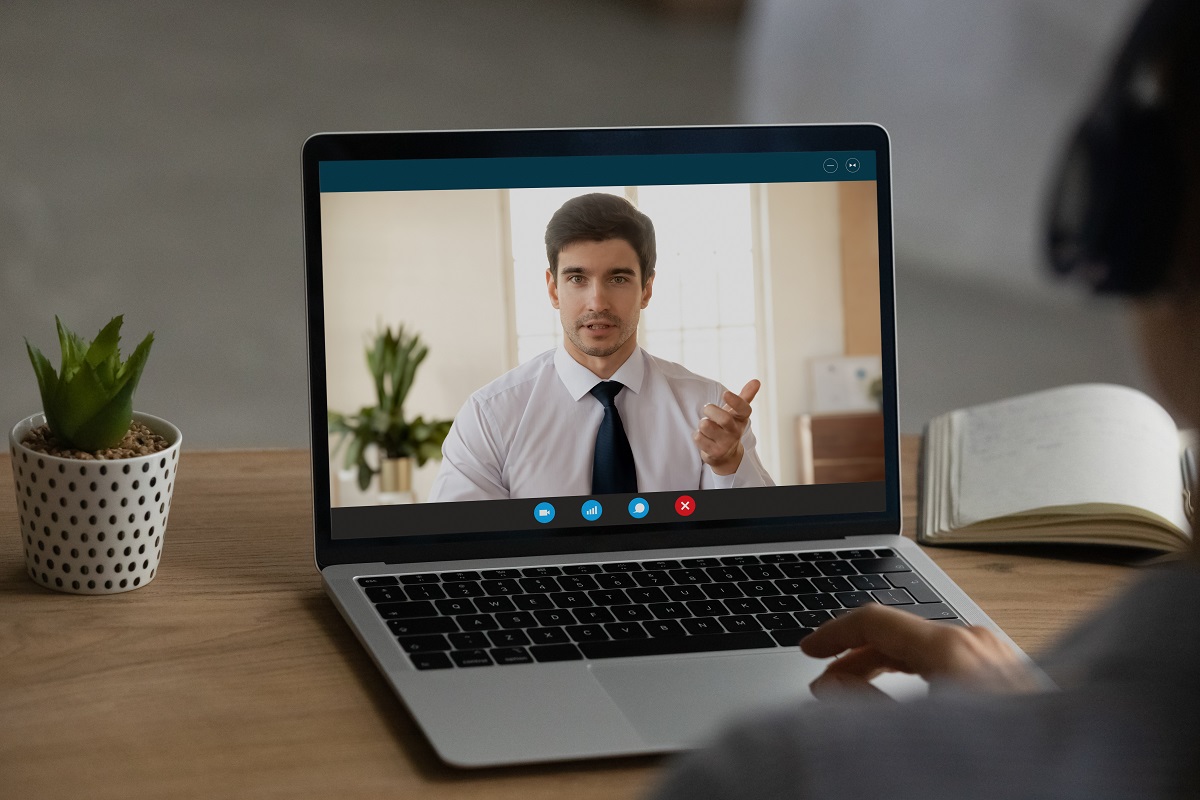
Remote work has opened new doors for sales closers around the world. Many companies now operate entirely online, creating a strong demand for remote closing professionals. This allows individuals to work from home while connecting with clients globally. Remote roles often provide flexibility in scheduling and work environment. However, they also require discipline and effective time management. Standing out in this space involves demonstrating reliability and strong communication skills. As digital business models continue to grow, remote opportunities for sales closers are expected to increase.
Common Pitfalls That Limit Sales Closers
Even experienced sales closers can face challenges if they fall into common mistakes. Talking too much can overwhelm prospects and reduce engagement. Failing to listen often leads to missed opportunities to address real concerns. Overcomplicating explanations can create confusion rather than clarity. Poor follow up can result in lost deals that could have been recovered. Lack of preparation can weaken confidence during calls. Recognizing these pitfalls and making adjustments is essential for long term improvement. Consistent self evaluation helps maintain strong performance.
Tools That Help Sales Closers Perform Better
Technology plays an important role in supporting sales closers. The right tools can improve efficiency and provide valuable insights. From managing leads to analyzing calls, these tools streamline the closing process. Adapting to new technologies can give sales closers a competitive edge. Many platforms are designed specifically to enhance communication and tracking. Using these tools effectively can lead to better results and higher conversion rates.
Essential Tools for Sales Closers
• CRM systems for tracking leads and managing pipelines
• Video conferencing platforms for conducting virtual sales calls
• Call recording tools for reviewing and improving performance
• Scheduling software to reduce missed appointments
• Analytics tools for measuring conversion rates and performance
How Businesses Benefit from Skilled Sales Closers
Hiring experienced sales closers can significantly improve a company’s revenue. These professionals bring expertise that helps convert more leads into paying customers. Businesses can maximize their marketing efforts by ensuring leads are properly handled. Training programs and ongoing coaching help maintain high performance levels. Providing clear systems and support allows sales closers to thrive. Measuring performance through key metrics ensures accountability and growth. Investing in skilled closers often leads to stronger overall results.
Emerging Trends in the World of Sales Closers
The landscape for sales closers continues to evolve as technology advances. AI tools are becoming more integrated into sales processes, offering new ways to analyze conversations. Buyers are more informed than ever, requiring deeper value during interactions. Specialization is becoming more common, with closers focusing on specific industries. Hybrid sales models combine automation with human interaction for better efficiency. Staying adaptable is essential for keeping up with these changes. The future for sales closers remains full of opportunity.
FAQ About Sales Closers
What do sales closers focus on
Sales closers focus on converting qualified prospects into paying customers by guiding them through the final stage of the sales process.
Can beginners become sales closers
Yes, many beginners enter the field by learning key skills and gaining experience through training and practice.
How do sales closers earn money
Most sales closers earn through commissions, although some roles also include a base salary.
Are remote opportunities available for sales closers
Yes, many companies hire remote sales closers to handle online consultations and calls.
What skills are most important for sales closers
Communication, persuasion, and objection handling are among the most important skills.
Which industries hire sales closers
Industries such as SaaS, coaching, real estate, and digital marketing frequently hire sales closers.
How can someone improve their closing rate
Improving listening skills, practicing objection handling, and analyzing past calls can help increase closing rates.
Takeaway
Sales closers play a vital role in transforming interest into revenue, making them essential in modern business operations. Developing strong communication and persuasion skills can significantly improve performance in this field. The rise of remote work has created new opportunities for those looking to build flexible careers. Avoiding common mistakes and continuously improving techniques can lead to better results. Businesses that invest in skilled sales closers often see stronger conversion rates and growth. With dedication and the right approach, becoming a successful sales closer is an achievable and rewarding path.