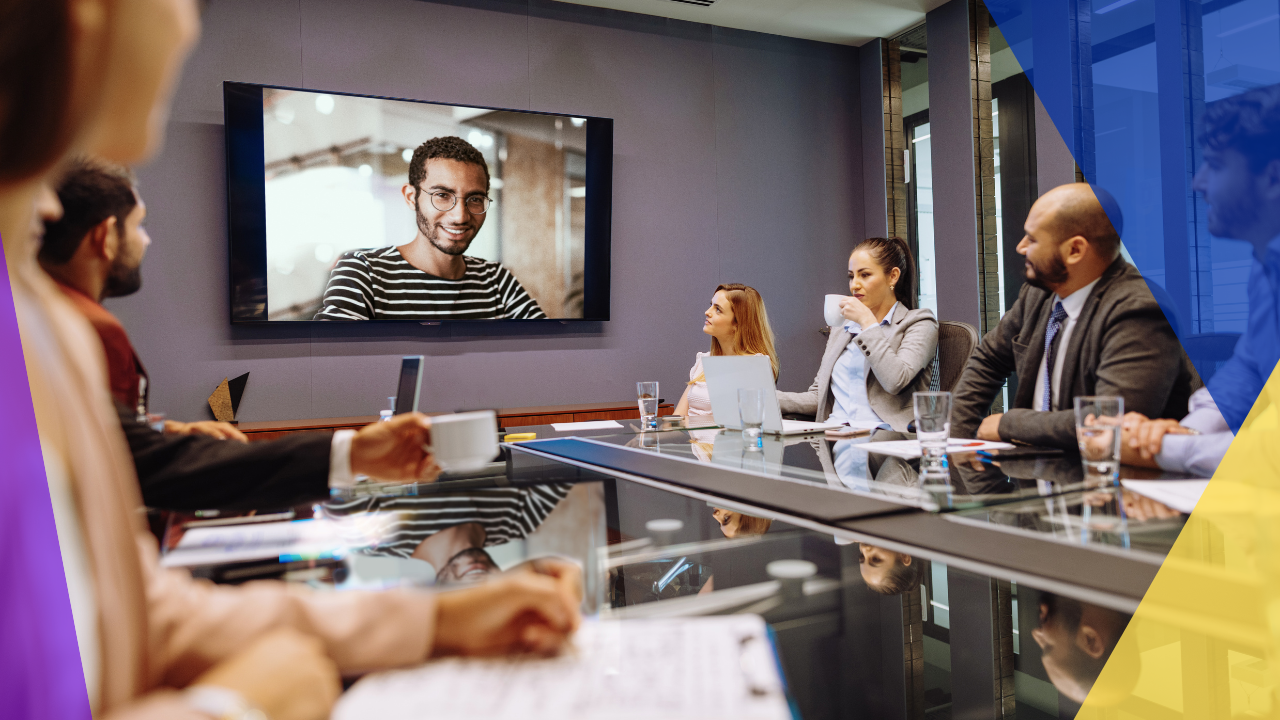

Understanding Fully Remote Sales Closer Roles
Fully remote sales closer roles have become one of the fastest growing career paths in the modern digital workforce. As companies continue expanding their online presence, the demand for skilled professionals who can convert qualified prospects into paying customers has increased significantly. A sales closer is typically responsible for finalizing deals with prospects who already have interest in a product or service. Instead of generating leads from scratch, closers focus on guiding potential customers through the final stage of the buying process.
The shift toward digital communication has made these positions easier to operate entirely online. Video conferencing platforms, CRM systems, and automated scheduling tools allow sales conversations to happen from anywhere with an internet connection. Because of this technological progress, many businesses now hire closers without requiring them to work in a physical office.
Another reason companies are investing in fully remote sales closer roles is the ability to hire talent globally. Instead of limiting hiring to one city or region, organizations can recruit the best closers regardless of location. This flexibility benefits both businesses and sales professionals who want greater control over where they live and work.
Industries such as software services, consulting firms, marketing agencies, and online education platforms heavily rely on remote sales closers. Many of these businesses sell high value programs that require consultation before purchase. Skilled closers provide that consultation and help prospects confidently move forward with their decision.
The increasing popularity of remote work has also encouraged experienced sales professionals to transition away from traditional office jobs. Many see remote closing as a way to maintain strong income potential while enjoying location independence. As digital commerce continues expanding, the demand for talented closers working remotely will likely continue growing.
What a Fully Remote Sales Closer Actually Does
A remote sales closer plays a critical role in converting potential customers into clients. Their primary responsibility is to lead structured conversations that identify a prospect’s needs and determine whether the company’s offer is the right solution. These conversations typically happen through video calls, phone calls, or sometimes chat based communication.
The process often begins with a discovery call. During this conversation, the closer asks thoughtful questions that help them understand the prospect’s challenges, goals, and motivations. Instead of immediately pitching a product, effective closers focus on building rapport and identifying the true problems the customer wants to solve.
Once the needs of the prospect become clear, the closer moves into presenting the product or service. This presentation focuses heavily on value rather than just features. Skilled closers explain how the offer solves specific problems and delivers measurable results for the client.
Handling objections is another major part of the job. Prospects may express concerns about price, timing, or perceived risk. A professional closer addresses these concerns calmly and provides additional information that helps the prospect make an informed decision.
Remote sales closers also manage follow ups and maintain communication with interested prospects. Sometimes buyers need additional time before committing. Effective follow up strategies keep the conversation active while building trust.
Sales performance tracking is also important. Closers frequently use CRM software to monitor leads, track conversations, and measure conversion rates. This data helps them improve their approach and consistently increase their results over time.
Why Fully Remote Sales Closer Roles Are Growing Rapidly
Several major business trends have fueled the growth of fully remote sales closer roles. One of the most significant factors is the rapid expansion of online businesses. Digital services, online education programs, and subscription based software platforms now dominate many industries. These companies often rely on consultative sales conversations to convert interested prospects.
Remote hiring also allows organizations to build high performing sales teams more efficiently. Businesses can recruit experienced closers from different regions rather than limiting hiring to a local talent pool. This approach often leads to stronger sales performance and faster growth.
Operating remote sales teams also reduces operational costs. Companies do not need to maintain large office spaces or pay additional overhead associated with traditional workplaces. Those savings can be redirected toward marketing, product development, and higher commission incentives for sales professionals.
Sales professionals themselves are increasingly attracted to remote work opportunities. Many individuals prefer flexible work arrangements that allow them to live in locations with lower costs of living or travel while working. Remote closing offers the possibility of maintaining strong income potential without sacrificing lifestyle flexibility.
Another reason these roles continue expanding is the results focused nature of sales. Companies care primarily about revenue generation. As long as closers consistently deliver results, their physical location becomes far less important.
Core Skills Needed to Succeed as a Remote Sales Closer
Success in fully remote sales closer roles requires a combination of communication ability, emotional intelligence, discipline, and technical competence. The most effective closers focus heavily on understanding customer needs and guiding conversations naturally toward a buying decision.
Strong communication skills are essential. Since most interactions happen through video or phone calls, closers must clearly explain ideas while maintaining an engaging tone. Active listening plays a major role as well. Prospects want to feel heard and understood before they feel comfortable purchasing.
Persuasion and negotiation skills also play an important role. A closer must present the value of an offer in a way that aligns with the prospect’s priorities. This involves helping potential clients recognize the gap between their current situation and the results they want to achieve.
Self discipline is another critical skill. Working remotely requires strong time management and personal accountability. Successful closers structure their schedules carefully and ensure they remain focused throughout the workday.
Essential Skills Remote Sales Closers Must Develop
• Active listening and rapport building
• Persuasive communication during sales calls
• Objection handling and negotiation techniques
• Deep knowledge of the product or service being sold
• Time management and self motivation
• Familiarity with CRM systems and sales software
• Confidence when presenting solutions through video calls
Closers who consistently refine these skills often build long lasting careers in remote sales. Over time they become more comfortable handling complex deals and higher value offers.
Common Compensation Structures for Remote Sales Closers
Income potential is one of the biggest reasons professionals pursue fully remote sales closer roles. Many positions provide significant earning opportunities through commission based structures. Instead of earning a fixed salary alone, closers are rewarded directly for the deals they close.
One common structure involves commission only compensation. In this model, closers earn a percentage of each sale they finalize. High ticket products can generate commissions ranging from hundreds to thousands of dollars per deal.
Some companies combine a base salary with commission. This model offers greater income stability while still rewarding strong performance. It is frequently used by established software companies and larger organizations with structured sales teams.
Performance bonuses are also common. Companies may reward closers who reach specific revenue targets each month or quarter. These bonuses can significantly increase total earnings for top performers.
High ticket offers provide some of the most lucrative opportunities in remote closing. Coaching programs, consulting packages, and enterprise software services often cost thousands of dollars per client. Closing just a few deals each month can produce substantial income.
Because many remote closing roles are performance based, skilled professionals can sometimes earn far more than traditional salaried employees. This earning potential is a major attraction for ambitious salespeople.
Tools and Technology Used by Fully Remote Sales Closers
Technology plays a crucial role in enabling remote sales environments. Without modern digital tools, it would be difficult for closers to communicate effectively with prospects around the world. Fortunately, a wide range of platforms now support remote selling.
Video conferencing platforms are central to remote closing. Sales presentations, discovery calls, and negotiation conversations often happen through video meetings. These tools allow closers to build personal connections with prospects even when they are thousands of miles apart.
Customer relationship management systems help closers track leads and maintain organized pipelines. These platforms store information about each prospect, including contact details, conversation history, and follow up reminders.
Scheduling software also improves efficiency. Prospects can easily book appointments through automated calendars, reducing the need for back and forth communication. This allows closers to focus more on selling rather than administrative tasks.
Communication platforms keep remote teams connected. Sales professionals often collaborate with marketing teams, customer support staff, and sales managers through digital messaging systems. This coordination ensures that prospects receive consistent information throughout the buying process.
As technology continues improving, remote sales operations will likely become even more streamlined and efficient.
Industries Offering the Most Fully Remote Sales Closer Roles
Several industries rely heavily on fully remote sales closer roles due to the nature of their products and services. These sectors often sell high value solutions that require personalized conversations before purchase.
Software companies frequently hire remote closers to handle demonstrations and finalize subscription agreements. Many software products are complex enough that customers prefer speaking with a knowledgeable representative before committing.
Online education businesses also rely on remote closers. These organizations sell courses, mentorship programs, and professional development training that can cost thousands of dollars. Prospective students often schedule calls to determine whether the program fits their goals.
Marketing agencies represent another major employer of remote sales closers. Agencies selling advertising, branding, or digital marketing services often use closers to convert qualified leads generated by their marketing campaigns.
Consulting firms also benefit from remote sales teams. Consultants selling strategy services or advisory packages often require multiple conversations before a client commits to working together.
E commerce brands selling premium products sometimes use remote closers as well. High value products such as luxury equipment or customized solutions often require consultation before purchase.
How to Prepare for a Fully Remote Sales Closer Career
Breaking into fully remote sales closer roles requires preparation and consistent practice. Individuals interested in this field should focus on developing a strong foundation in consultative selling techniques.
Learning structured sales methodologies can be extremely helpful. Many sales frameworks teach professionals how to guide conversations, uncover pain points, and present solutions effectively. These methods help closers maintain confidence during complex conversations.
Practicing product presentations is another important step. Remote closers must be comfortable explaining solutions clearly through video calls. Practicing with peers or mentors can help refine delivery and improve clarity.
Objection handling practice also strengthens performance. Prospects often hesitate due to concerns about price or timing. Experienced closers learn how to address these concerns while maintaining a supportive tone.
Building familiarity with remote sales technology is equally important. Understanding CRM systems, video conferencing tools, and scheduling platforms makes it easier to integrate into a professional sales environment.
Continuous learning is one of the most important habits in sales. Closers who regularly analyze their calls and seek feedback often improve faster and achieve stronger results.
Where to Find Fully Remote Sales Closer Roles
Many platforms now specialize in remote job opportunities, making it easier than ever to discover fully remote sales closer roles. Job boards dedicated to remote work frequently list positions from companies across multiple industries.
Professional networking platforms also play a significant role in job discovery. Sales managers and founders often post opportunities directly on their profiles or within industry groups. Engaging with these communities can help candidates identify new openings.
Sales specific recruitment platforms sometimes specialize in connecting businesses with experienced closers. These platforms allow candidates to showcase their track record and connect with companies seeking revenue generating talent.
Online communities dedicated to remote work can also provide valuable job leads. Members often share opportunities or refer qualified candidates to companies hiring remote sales professionals.
Direct outreach is another strategy worth considering. Many online businesses sell high ticket offers and constantly need skilled closers. Reaching out to these companies directly may uncover opportunities that have not yet been publicly advertised.
Challenges of Fully Remote Sales Closer Roles
Despite the advantages, fully remote sales closer roles also come with certain challenges. One of the most common difficulties is income variability. Commission based earnings can fluctuate depending on sales performance and market conditions.
Working across time zones may also create scheduling challenges. Closers sometimes need to conduct calls early in the morning or late at night to accommodate prospects in different regions.
Motivation can also become difficult without the structure of a traditional office environment. Successful remote closers create daily routines and maintain strong personal discipline.
Handling rejection is another reality of the sales profession. Not every prospect will convert into a customer, and closers must remain resilient when deals fall through.
Maintaining healthy work life boundaries can also be challenging when working from home. Without clear separation between professional and personal time, some individuals may struggle with burnout.
Long Term Career Paths for Remote Sales Closers
Remote closing can open doors to several long term career opportunities within the sales industry. Experienced closers often progress into senior roles where they manage larger accounts or enterprise level deals.
Some professionals transition into sales leadership positions. These roles involve training new closers, managing performance metrics, and developing team strategies that improve conversion rates.
Sales consulting represents another potential path. Highly experienced closers sometimes help businesses refine their sales processes and train internal teams.
Independent closing services have also become popular. Some professionals work as freelance closers and partner with multiple companies that sell high ticket offers.
Revenue leadership positions provide another option for those interested in strategy. These roles focus on aligning sales, marketing, and customer success teams to maximize company growth.
Takeaway
Fully remote sales closer roles offer a unique combination of income potential, location independence, and career growth. Businesses across multiple industries are actively seeking professionals who can guide prospects through thoughtful sales conversations and finalize deals. With the right skills, discipline, and understanding of customer psychology, remote closing can become a highly rewarding career path. As digital commerce continues expanding, professionals who master remote selling techniques will remain in high demand.
FAQ
What are fully remote sales closer roles
These roles involve conducting sales conversations, presenting solutions, handling objections, and finalizing deals entirely online without needing to work in a physical office.
Do remote sales closers generate their own leads
In many cases, closers work with pre qualified leads provided by a marketing or appointment setting team. Their primary responsibility is converting those prospects into customers.
How much can a remote sales closer earn
Income varies widely depending on the product being sold and the commission structure. Some closers earn moderate incomes while top performers can reach six figure annual earnings.
What industries hire remote sales closers
Software companies, online education platforms, marketing agencies, consulting firms, and premium product brands frequently hire remote closers.
Do I need sales experience to start
Many companies prefer candidates with sales experience, but individuals with strong communication skills and willingness to learn can sometimes enter entry level remote closing positions.
What tools do remote sales closers use
Common tools include video conferencing software, CRM platforms, scheduling systems, and messaging applications used for remote team collaboration.