Understanding Remote Sales Closers
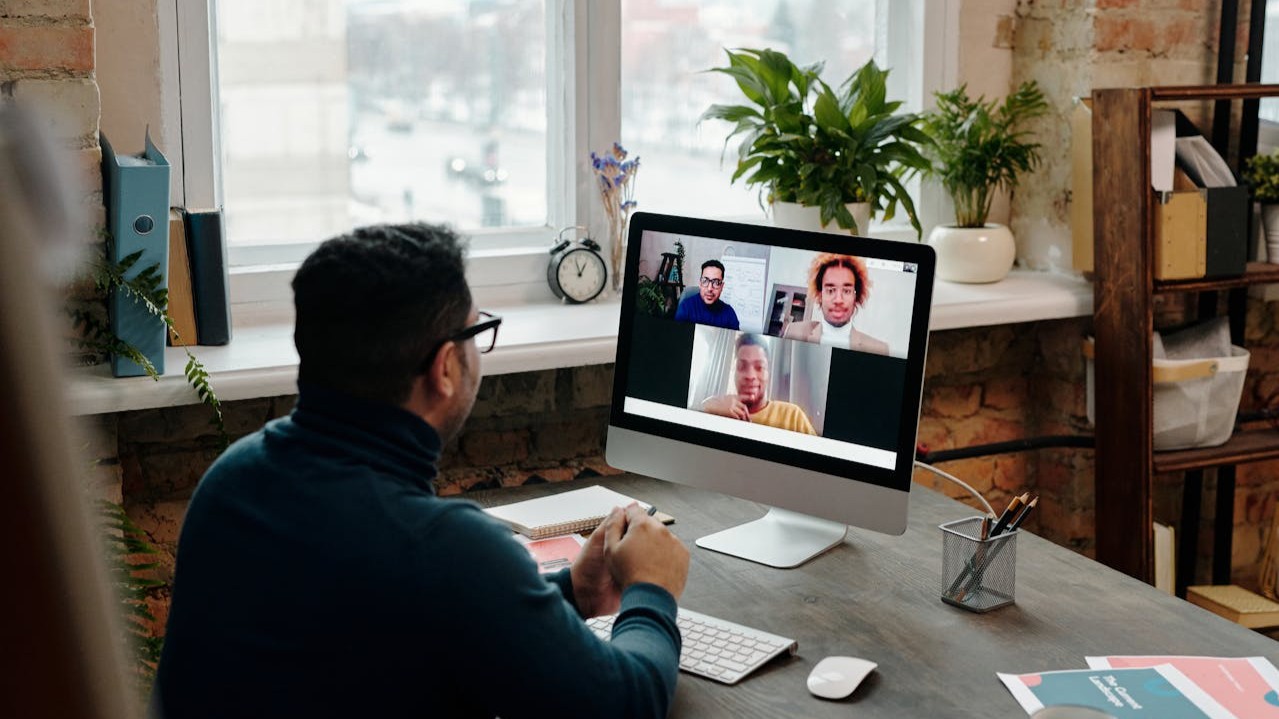
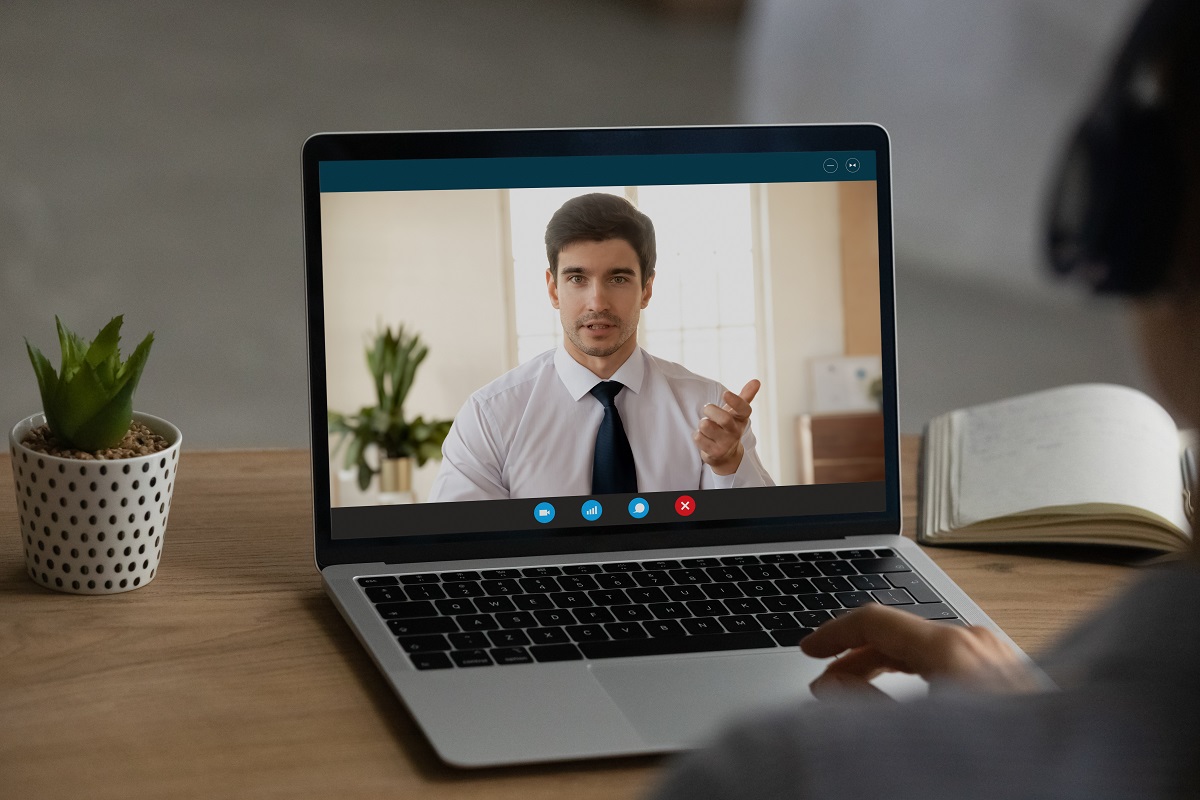
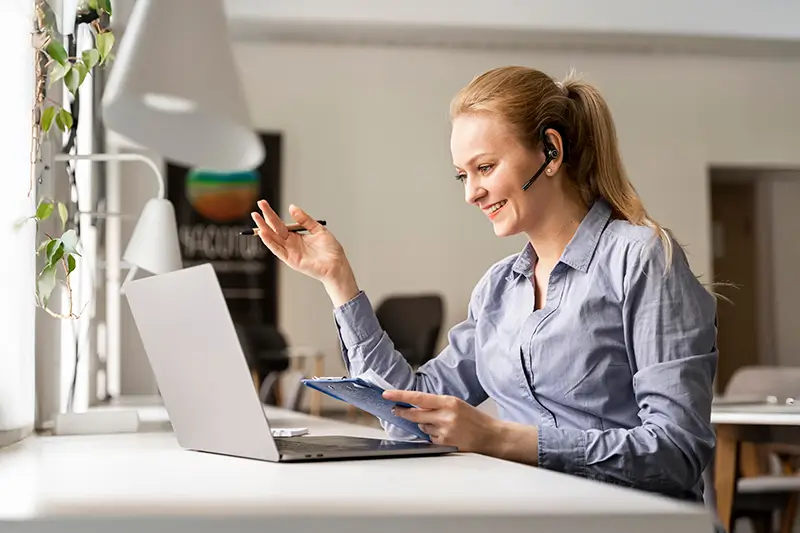
Remote sales closers are professionals who specialize in finalizing sales deals without being physically present in an office or meeting location. They differ from traditional in-house closers by operating entirely online, using digital communication tools to engage with prospects and clients. Their primary responsibilities include understanding client needs, delivering persuasive presentations, handling objections, and sealing deals. Strong communication skills, emotional intelligence, and a deep understanding of the product or service are essential for success. Remote sales closers are often highly self-motivated and capable of managing their schedules independently. As digital transformation continues, more companies are recognizing the value of having a remote sales team that can operate 24/7 across different time zones. Businesses can now tap into global talent, allowing them to find experts who excel in closing deals efficiently. The rise of remote sales closers reflects a shift in the way sales operations are structured, emphasizing flexibility, adaptability, and results-driven performance.
The Advantages of Hiring Remote Sales Closers
Hiring remote sales closers offers several strategic advantages for businesses looking to scale. First, companies can significantly reduce overhead costs since remote closers do not require office space, equipment, or commuting allowances. Access to a global talent pool allows businesses to hire the best talent regardless of geographic location. Remote closers provide flexibility, working at times that align with client availability or different time zones. Many businesses experience increased productivity because remote closers often work in focused, distraction-free environments. A remote model also allows for quick scaling; companies can onboard multiple closers without worrying about physical infrastructure limitations. Organizations benefit from lower turnover rates when they offer remote opportunities, as employees value flexibility and work-life balance. Overall, remote sales closers help companies optimize efficiency, increase revenue potential, and create a modern sales approach that aligns with evolving customer expectations.
Essential Skills for a Successful Remote Sales Closer
Success as a remote sales closer requires a unique combination of technical, interpersonal, and self-management skills. Strong communication and persuasive abilities are critical to connect with prospects and guide them toward making decisions. Proficiency with CRM software, email automation, and sales analytics tools allows closers to track leads and optimize their outreach effectively. Time management is crucial because remote closers must prioritize tasks independently while maintaining high productivity. Understanding buyer psychology helps remote closers anticipate objections and deliver compelling arguments that resonate with clients. Adaptability across industries ensures they can handle varying sales cycles, products, and services with confidence. Additionally, resilience and persistence are vital since remote closers often face rejection and need to maintain motivation without in-person support. A combination of these skills enables remote sales closers to consistently achieve targets and drive revenue for their companies.
Building and Managing a Remote Sales Closer Team
Creating an effective remote sales closer team begins with targeted recruitment strategies that identify candidates with proven closing experience and self-motivation. Onboarding programs should provide clear guidance on company processes, CRM usage, and product knowledge. Training must be ongoing, emphasizing advanced selling techniques, objection handling, and client engagement strategies. Setting measurable performance metrics helps track productivity and results while keeping the team accountable. Maintaining engagement in a remote environment requires regular communication, virtual meetings, and opportunities for professional development. Utilizing tools like project management platforms, sales dashboards, and instant messaging apps ensures smooth collaboration. By combining structured processes with a supportive remote culture, businesses can foster high-performing sales teams that consistently deliver results.
Overcoming Challenges in Remote Sales Closing
While remote sales closers offer numerous benefits, they also face challenges that must be addressed. Lack of face-to-face interaction can make building trust with prospects more difficult. Communication breakdowns or delays can impact deal timelines if not managed carefully. Remote closers must proactively establish credibility through thorough research and effective digital communication. Companies need strategies to maintain consistency, including regular check-ins, clear reporting expectations, and accountability measures. Overcoming time zone differences requires scheduling flexibility and thoughtful coordination with clients. It is also important to provide ongoing coaching and feedback to support continuous improvement. By identifying and addressing these challenges, organizations can maximize the potential of remote sales closers while maintaining strong relationships with clients.
Technology and Tools That Enhance Remote Sales Closing
Technology plays a vital role in enabling remote sales closers to operate efficiently and effectively. CRM systems are essential for tracking leads, monitoring interactions, and organizing sales pipelines. Automation tools help streamline repetitive tasks such as follow-ups, emails, and data entry, freeing up time for high-value selling activities. Video conferencing platforms allow remote closers to deliver presentations and engage clients in real time. Analytics and reporting tools provide insights into performance metrics, allowing for data-driven decision-making. Collaboration tools such as instant messaging apps, project management platforms, and document-sharing software help maintain team communication. Equipping remote closers with the right technology ensures they can manage prospects seamlessly, stay connected with teammates, and deliver measurable results. Companies that invest in the right tools empower their remote sales teams to reach peak performance consistently.
Maximizing Sales Results with Remote Closers
Remote sales closers can dramatically improve revenue outcomes when supported by effective strategies. Optimizing closing rates starts with thorough lead qualification, understanding client needs, and personalized engagement approaches. Structured compensation plans, including commission and performance-based incentives, motivate closers to achieve ambitious goals. Continuous coaching, skill development, and access to best practices help remote closers refine their techniques. Using data analytics, companies can identify patterns, track engagement, and adjust sales strategies in real time. Clear communication of expectations and regular performance reviews create accountability and alignment with company objectives. Empowering remote closers with autonomy while providing necessary guidance ensures they remain motivated, productive, and focused on driving revenue growth.
Frequently Asked Questions
What is a remote sales closer, and why are they important?
A remote sales closer is a professional who finalizes sales deals from a remote location. They are important because they allow companies to access a global talent pool, reduce overhead costs, and increase sales efficiency.
How do remote sales closers differ from traditional sales reps?
Remote sales closers operate entirely online, often managing leads, presentations, and negotiations digitally. Traditional sales reps usually work in physical offices and rely more on face-to-face interactions.
What industries benefit most from remote sales closers?
Industries such as SaaS, e-commerce, consulting, digital marketing, and B2B services benefit from remote closers due to their ability to reach clients globally and handle complex sales processes virtually.
How can companies ensure productivity and accountability for remote closers?
Companies can implement clear performance metrics, regular check-ins, CRM tracking, and structured reporting systems to maintain accountability and measure productivity effectively.
What tools should a remote sales closer be proficient in?
Remote sales closers should be skilled in CRM systems, email automation tools, video conferencing platforms, sales analytics software, and collaboration tools to manage deals efficiently.
Takeaway
Remote sales closers offer a strategic advantage in today’s digitally driven business landscape. By leveraging their skills, adopting the right technology, and implementing structured management strategies, companies can increase revenue, reduce costs, and access global talent. Investing in remote sales closers allows businesses to remain agile, scalable, and competitive while meeting the evolving expectations of modern clients. Organizations that embrace this approach gain a powerful sales force capable of driving consistent results from anywhere.