
The Rising Demand for Virtual Sales Closers in Modern Business
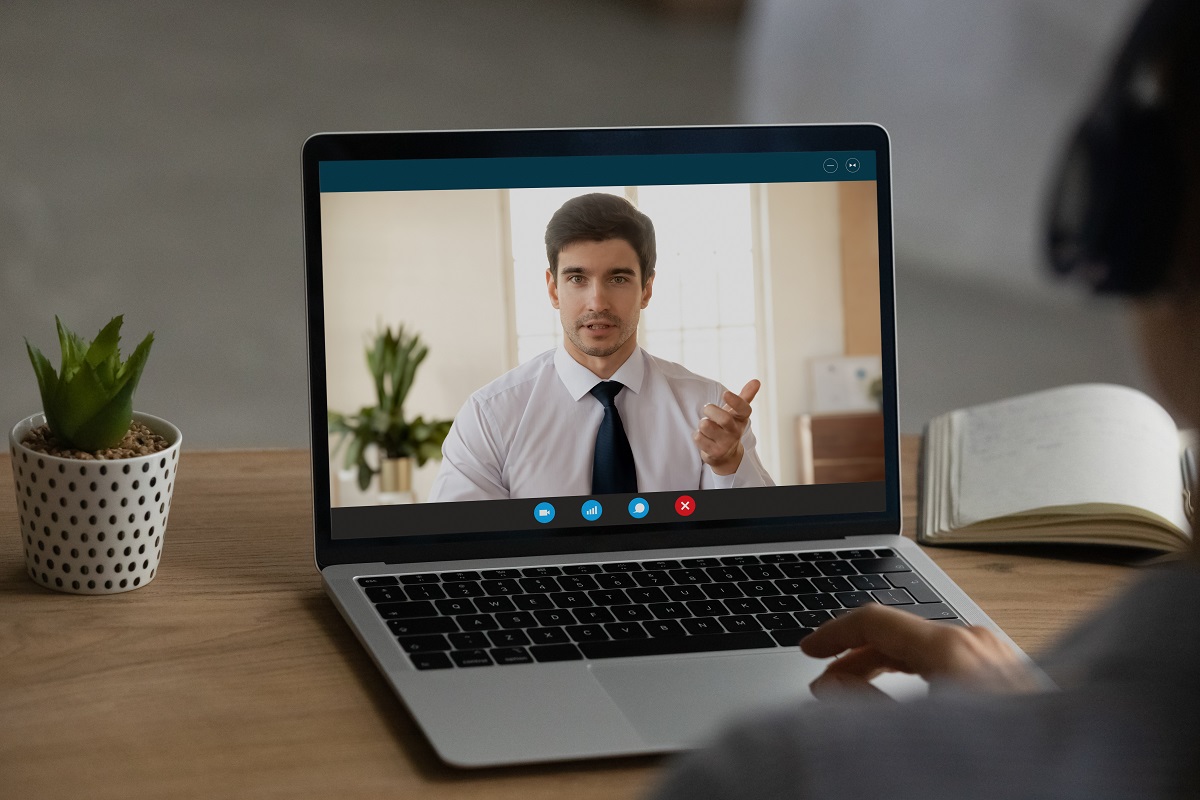
Businesses across the world are rapidly adapting to digital-first selling, and virtual sales closers have become one of the most valuable assets in this transformation. Companies no longer rely only on traditional in-person meetings because buyers are more comfortable making purchasing decisions online. From coaching businesses to SaaS companies and premium service providers, organizations are investing heavily in remote sales professionals who can generate results from anywhere. Virtual sales closers are helping businesses scale faster while reducing operational expenses connected to office spaces and travel. Their ability to connect with prospects through video calls, phone conversations, and digital communication tools allows companies to reach a global audience without geographical limitations. Markets like the USA, UK, Canada, Australia, UAE, and Singapore are experiencing significant growth in remote sales hiring because international business operations now depend heavily on online communication. As more businesses shift toward remote work environments, the demand for experienced virtual sales closers continues to increase at a remarkable pace.
Modern consumers also prefer convenience, flexibility, and faster communication when making purchasing decisions. Virtual sales closers help businesses meet these expectations by offering personalized consultations from any location. Remote sales professionals can engage with leads quickly, answer objections efficiently, and guide potential clients through the buying process without delays. Companies that use virtual sales closers often experience improved conversion rates because these professionals specialize in building trust remotely. Their communication skills and ability to adapt to digital environments make them highly effective in competitive industries. The rise of remote entrepreneurship and online education has also expanded the need for skilled closers who can manage high-ticket offers professionally. Businesses seeking long-term scalability are increasingly viewing virtual sales closers as an essential part of their revenue growth strategy.
What Virtual Sales Closers Actually Do
Virtual sales closers are responsible for turning qualified prospects into paying customers through remote communication methods. They often work with warm leads generated by marketing campaigns, appointment setters, or inbound inquiries. Their primary responsibility is to conduct persuasive sales conversations that help prospects understand the value of a product or service. These professionals typically manage Zoom calls, phone consultations, webinars, and follow-up communications designed to move leads closer to a purchasing decision. Strong communication and relationship-building skills are necessary because remote interactions require a high level of clarity and professionalism. Virtual sales closers also play a significant role in handling objections related to pricing, trust, timing, and product value. Their ability to confidently navigate difficult conversations often determines whether a sale is successfully completed.
Many businesses depend on virtual sales closers to maintain consistency in their sales process. These professionals organize lead pipelines, update CRM systems, and track client interactions to ensure that no opportunity is overlooked. They work closely with marketing teams to understand customer pain points and improve sales messaging. Since they often communicate with clients from multiple countries, virtual sales closers must adapt to different cultures, communication styles, and time zones. Their role goes far beyond simply closing deals because they also help strengthen customer relationships and brand reputation. Businesses that invest in experienced remote sales professionals often gain a competitive advantage in crowded industries. The combination of sales expertise, technology skills, and remote communication ability makes virtual sales closers valuable for modern business growth.
Core Skills Every Successful Virtual Sales Closer Needs
Successful virtual sales closers possess a unique combination of communication, persuasion, and technical abilities. Remote sales environments require professionals who can create strong emotional connections without meeting clients face-to-face. Active listening is one of the most important skills because understanding customer concerns allows closers to tailor their responses effectively. Emotional intelligence also plays a major role in helping prospects feel understood and respected during conversations. Strong negotiation abilities help remote closers handle objections confidently while maintaining professionalism throughout the sales process. Since digital communication can sometimes feel impersonal, virtual sales closers must know how to create engaging and authentic interactions that build trust quickly.
Technical knowledge is equally important because virtual sales closers rely heavily on digital tools to perform their jobs efficiently. CRM platforms, scheduling systems, communication software, and analytics tools are all part of the daily workflow. Time management skills are essential because many closers work with clients from different countries and multiple time zones. Self-discipline is another critical quality since remote work environments require consistent productivity without direct supervision. Businesses prefer closers who can independently manage pipelines while staying aligned with company sales objectives. Strong presentation skills also help professionals conduct compelling virtual consultations that keep prospects engaged. These combined abilities allow virtual sales closers to thrive in high-ticket sales environments where professionalism and communication directly impact revenue growth.
Essential Skills That Help Virtual Sales Closers Succeed
-
Active listening and emotional intelligence
-
High-ticket sales communication
-
Objection handling and negotiation
-
CRM and sales software management
-
Time management and productivity
-
Remote presentation and video call confidence
-
Follow-up and lead nurturing strategies
-
Adaptability across global markets
-
Professional online communication
-
Relationship-building in remote environments
Industries That Benefit Most From Virtual Sales Closers
Many industries are experiencing tremendous advantages from hiring virtual sales closers because remote selling has become highly effective across different markets. Coaching and consulting businesses rely heavily on remote closers to convert discovery calls into high-value clients. Since coaching programs often involve premium pricing, experienced virtual sales closers help explain the value of transformation-focused offers. SaaS companies also benefit significantly because software sales frequently involve demos, onboarding discussions, and long sales cycles. Virtual sales closers guide potential clients through these conversations while addressing technical concerns and pricing questions professionally. Real estate companies and property investment firms also use remote closers to communicate with international buyers who may not be physically present during transactions. The ability to manage these discussions remotely creates greater convenience for both businesses and clients.
E-commerce businesses selling premium products are increasingly turning to virtual sales closers to improve customer engagement and boost conversions. High-ticket products often require more detailed consultations before buyers feel comfortable making a purchase. Healthcare, education, and financial service industries also use remote sales professionals to guide clients through complex decision-making processes. Businesses in these sectors need professionals who can explain offers clearly while maintaining trust and credibility. The global accessibility of remote sales teams allows organizations to serve clients across multiple regions without opening physical offices. Companies operating in international markets appreciate the flexibility and scalability that virtual sales closers provide. As digital commerce continues expanding worldwide, more industries are expected to adopt remote sales strategies as part of their long-term growth plans.
Benefits of Hiring Virtual Sales Closers
Hiring virtual sales closers offers businesses numerous financial and operational advantages. One of the biggest benefits is cost reduction because companies no longer need to invest heavily in office spaces, travel expenses, or local hiring limitations. Remote sales professionals allow organizations to access top talent from around the world while maintaining lower operational costs. Businesses can scale sales teams more efficiently because virtual hiring expands recruitment opportunities beyond local regions. Increased flexibility also allows companies to serve clients across multiple time zones without requiring physical expansion. Many businesses experience improved close rates because virtual sales closers specialize in high-conversion remote communication strategies. Their focused expertise helps companies maximize the value of every qualified lead.
Another major advantage involves improved customer experience. Virtual sales closers can respond quickly to inquiries, schedule flexible consultations, and maintain consistent communication throughout the buying process. Faster response times often increase customer satisfaction and improve trust between businesses and prospects. Remote sales teams also provide scalability during seasonal demand increases or rapid company growth. Businesses can expand operations globally while maintaining efficient sales support across different markets. Virtual sales closers help organizations remain competitive in industries where speed, convenience, and digital accessibility strongly influence buyer behavior. Their ability to combine persuasive communication with remote efficiency creates long-term value for businesses seeking sustainable growth. As remote work becomes increasingly normalized, companies that invest in skilled virtual sales closers position themselves for stronger global expansion opportunities.
How Virtual Sales Closers Improve High-Ticket Sales Performance
High-ticket sales require trust, confidence, and strategic communication, which makes skilled virtual sales closers highly valuable in premium markets. Remote closers understand the psychology behind buying decisions and know how to guide prospects through hesitation professionally. They use strategic questioning techniques to uncover pain points and identify the emotional motivations driving purchasing decisions. Instead of using aggressive selling methods, experienced closers focus on creating meaningful conversations that build long-term trust. This approach often leads to higher conversion rates because buyers feel more comfortable and informed during the sales process. Virtual sales closers also know how to present offers clearly while emphasizing long-term value rather than focusing solely on price. Their communication style helps prospects feel confident about making larger financial commitments remotely.
Strong follow-up systems are another reason virtual sales closers improve high-ticket sales performance. Many premium purchases require multiple conversations before a prospect is ready to commit. Remote closers maintain communication through emails, calls, and messaging platforms to keep prospects engaged throughout the decision-making process. They also personalize interactions based on client needs, which increases customer satisfaction and retention. By analyzing sales data and customer behavior, virtual sales closers continuously refine their strategies to improve results. Businesses benefit from consistent sales processes that reduce missed opportunities and strengthen pipeline management. The ability to close premium deals remotely has become a major advantage for organizations competing in digital-first markets worldwide.
The Technology Behind Successful Virtual Closing
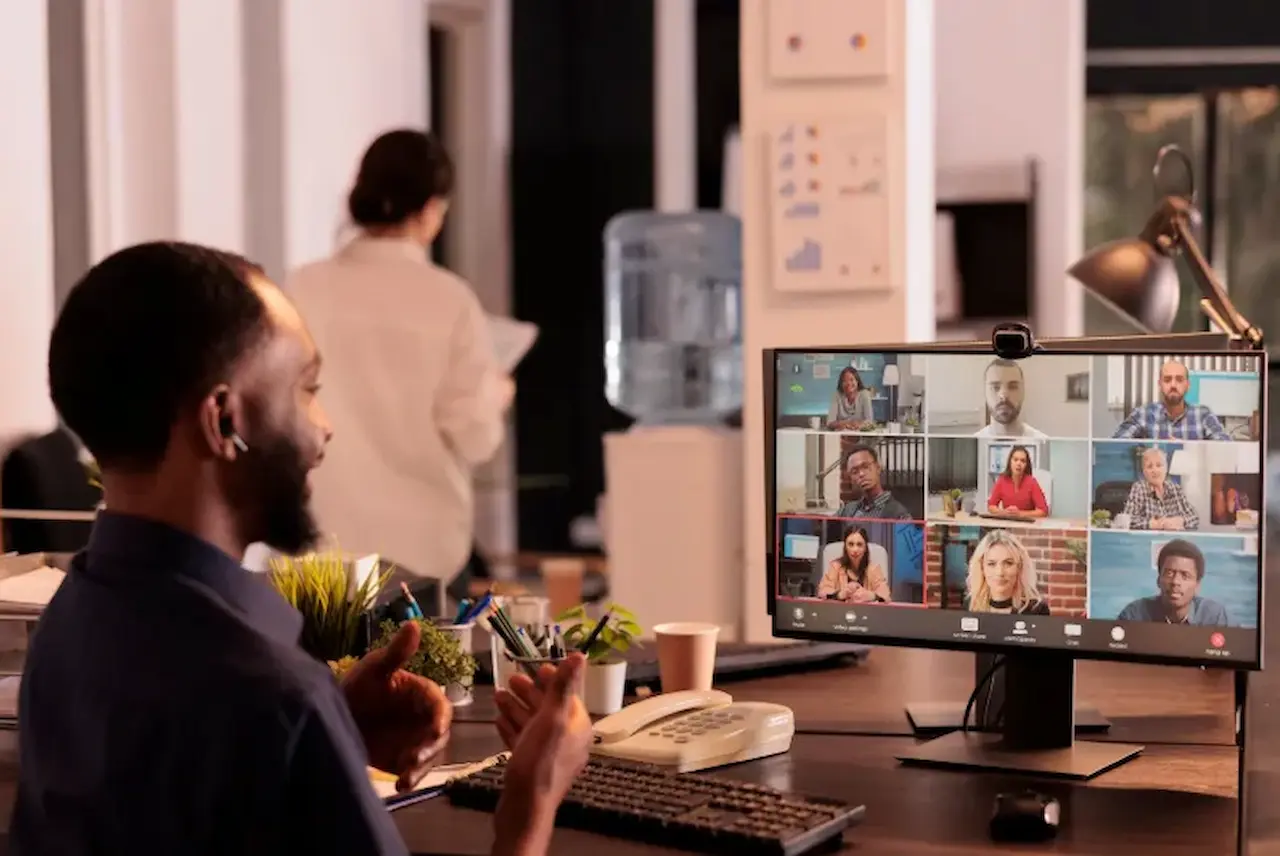
Technology plays a central role in helping virtual sales closers perform effectively in remote environments. CRM systems allow sales professionals to organize leads, monitor communication history, and manage follow-up schedules efficiently. These platforms help businesses track conversion rates and identify opportunities for process improvement. Video conferencing tools such as Zoom and Google Meet are also essential because they allow closers to conduct professional presentations and consultations remotely. High-quality communication tools create smoother client experiences and improve overall engagement during sales conversations. Messaging applications and collaborative software also help sales teams coordinate internally while maintaining consistent communication with prospects. Businesses that invest in reliable technology infrastructure often experience better remote sales performance.
Analytics and reporting tools further strengthen remote closing strategies by providing valuable insights into buyer behavior and sales performance. Virtual sales closers use these insights to identify trends, optimize messaging, and improve conversion strategies. Automation tools also reduce repetitive tasks, allowing sales professionals to focus more on relationship-building and high-value conversations. Scheduling platforms simplify appointment management and reduce missed meetings across different time zones. Strong technology integration helps businesses create efficient remote sales systems that support scalability and long-term growth. As digital sales environments continue evolving, technology will remain one of the most important factors influencing remote closing success. Companies that combine skilled virtual sales closers with advanced digital tools are better positioned to compete in modern global markets.
Common Challenges Virtual Sales Closers Face
Although virtual sales closers offer tremendous advantages, they also face unique challenges that require adaptability and resilience. Building trust remotely can sometimes be more difficult because clients may initially feel hesitant about making purchasing decisions online. Remote sales professionals must create credibility quickly through confident communication, professionalism, and transparency. Time zone management is another challenge because international clients may require consultations outside standard business hours. Maintaining productivity while balancing flexible schedules also demands strong organizational skills. Technical issues such as unstable internet connections or software disruptions can occasionally interrupt sales calls and affect customer experience. Successful virtual sales closers prepare backup communication methods to maintain professionalism during unexpected situations.
Handling rejection remotely can also become emotionally challenging because remote work environments may feel isolating at times. Strong self-motivation and resilience are necessary for maintaining consistent performance in competitive industries. Businesses can support remote closers by providing coaching, training resources, and collaborative communication systems that strengthen team culture. Continuous learning is important because buyer behavior and digital sales strategies constantly evolve. Virtual sales closers who adapt quickly to new technologies and communication trends remain highly competitive in the industry. Businesses that understand these challenges and provide proper support often build stronger and more productive remote sales teams. Overcoming these obstacles successfully allows virtual sales closers to create long-term value for organizations operating in global digital markets.
FAQ About Virtual Sales Closers
What are virtual sales closers?
Virtual sales closers are remote sales professionals who convert qualified leads into paying customers through online communication channels such as video calls, phone consultations, and digital messaging platforms.
Are virtual sales closers effective for high-ticket sales?
Yes, virtual sales closers are highly effective for high-ticket sales because they specialize in building trust, handling objections, and guiding prospects through premium purchasing decisions remotely.
Which industries commonly hire virtual sales closers?
Industries such as coaching, consulting, SaaS, real estate, healthcare, education, financial services, and high-ticket e-commerce frequently hire virtual sales closers.
What tools do virtual sales closers use?
They commonly use CRM systems, video conferencing software, scheduling tools, communication platforms, and analytics dashboards to manage sales activities efficiently.
Can virtual sales closers work internationally?
Yes, virtual sales closers often work with businesses and clients across global markets including the USA, UK, Canada, Australia, UAE, Singapore, and many other regions worldwide.
How do virtual sales closers get paid?
Payment structures vary depending on the company and sales model. Many virtual sales closers earn commissions, retainers, performance bonuses, or a combination of salary and commission.
Why are businesses investing more in virtual sales closers?
Businesses value virtual sales closers because they improve conversion rates, reduce operational costs, expand global reach, and support scalable remote growth strategies.
Takeaway
Virtual sales closers have become an essential part of modern business growth because they combine persuasive communication, digital expertise, and remote flexibility to drive high-ticket sales performance. Businesses across industries are increasingly relying on remote sales professionals to connect with global audiences, improve customer experiences, and scale operations efficiently. Their ability to manage online consultations, handle objections, and build trust remotely makes them valuable assets in competitive digital markets. As remote work and online commerce continue expanding worldwide, the demand for experienced virtual sales closers is expected to grow even further. Companies operating in the USA, UK, Canada, Australia, UAE, Singapore, and other international markets are recognizing the long-term advantages of building strong remote sales teams. Businesses that invest in skilled virtual sales closers position themselves for greater scalability, stronger conversion rates, and sustainable revenue growth in an increasingly digital economy.