
Businesses across the world are investing heavily in sales professionals who can turn qualified prospects into paying customers. The role of b2b lead generation closers has become one of the most valuable assets for companies that want sustainable growth, stronger revenue pipelines, and long-term client relationships. Modern buyers are more informed than ever, which means businesses need experienced professionals who understand how to guide decision-makers through complex purchasing journeys. Companies operating in competitive regions like the USA, UK, Canada, Australia, UAE, and Singapore are especially focused on building sales systems that improve conversion rates and increase profitability.
B2B lead generation closers play a major role in helping businesses move beyond simple lead collection. Many companies already generate traffic, collect inquiries, and schedule appointments, yet they struggle to convert opportunities into actual revenue. This is where experienced closers become essential. Their expertise helps businesses maximize the value of every qualified lead while building trust with prospects who are ready to make purchasing decisions.
Why B2B Lead Generation Closers Are Essential for Business Growth
The sales environment has changed dramatically over the last decade. Buyers now research products, compare competitors, and evaluate solutions before speaking with a sales representative. Because of this shift, businesses can no longer rely on outdated sales tactics or generic outreach methods. They need professionals who can communicate value clearly and guide prospects toward confident buying decisions.
B2B lead generation closers specialize in converting interested prospects into committed clients. Their responsibilities extend far beyond simply making sales calls. They identify customer pain points, address concerns, explain solutions, and create conversations that encourage action. In many industries, the closing process requires patience, strategy, and deep understanding of customer behavior.
Companies that invest in experienced closers often see stronger sales consistency because these professionals focus on relationship building instead of aggressive selling. Trust is one of the most important factors in B2B sales, especially when dealing with high-ticket services or long-term contracts. Buyers want reassurance that they are partnering with a reliable company that understands their goals.
Businesses also benefit because closers help reduce wasted opportunities. Marketing teams may generate leads successfully, but without effective sales conversations, many opportunities disappear before contracts are finalized. Skilled closers bridge the gap between lead generation and revenue generation.
Another important reason businesses prioritize closers is scalability. As organizations expand into international markets, they need sales professionals who understand how to communicate with decision-makers from different industries and regions. Global companies operating in the USA, UK, Canada, Australia, UAE, and Singapore often rely on remote closing teams to support international growth.
Strong closing professionals also improve revenue forecasting. When pipelines are managed properly, businesses gain better visibility into expected sales performance. This creates more stability and allows companies to make smarter operational decisions.
The Core Responsibilities of B2B Lead Generation Closers
A professional closer handles multiple stages of the sales process. Their role starts once a lead becomes qualified and ready for deeper conversations. Instead of focusing on mass outreach, closers spend their time engaging with prospects who already show interest in a service or solution.
One of their main responsibilities is conducting discovery calls. During these conversations, closers learn about the prospect’s challenges, goals, and business priorities. This information allows them to personalize their sales approach instead of relying on scripted conversations that feel impersonal.
Closers are also responsible for presenting tailored solutions. Every business has unique needs, and decision-makers expect customized recommendations. Effective closers know how to position services based on measurable business outcomes rather than generic features.
Another critical responsibility involves handling objections. Prospects may hesitate because of pricing, timing, competition, or internal approval processes. Skilled closers understand how to address these concerns calmly while reinforcing value and trust.
Follow-up communication is another major part of the role. Many sales opportunities are lost simply because businesses fail to maintain consistent communication. Closers ensure prospects remain engaged throughout the decision-making process.
Key tasks handled by professional closers include:
-
Conducting discovery and strategy calls
-
Qualifying leads based on business fit
-
Presenting personalized solutions
-
Managing objections professionally
-
Scheduling follow-up meetings
-
Negotiating contract terms
-
Coordinating onboarding discussions
-
Maintaining CRM pipeline updates
Closers also collaborate closely with marketing and lead generation teams. Alignment between departments creates smoother customer journeys and improves overall sales performance. When communication is strong across teams, businesses can generate more predictable revenue growth.
Skills That Separate High-Performing Closers From Average Sales Representatives
Not every salesperson has the ability to close high-value B2B deals consistently. Elite b2b lead generation closers possess a combination of communication skills, emotional intelligence, strategic thinking, and persistence. These qualities help them build trust and maintain productive conversations with decision-makers.
Communication is one of the most important skills in B2B sales. Effective closers know how to explain complex solutions in a way that feels clear and relevant. They listen carefully to prospects and ask questions that uncover deeper business needs.
Active listening helps closers understand emotional and operational concerns that may not be obvious at first. Buyers often reveal valuable information when they feel heard and respected. Strong closers use this information to guide conversations toward meaningful solutions.
Confidence also plays a major role. Prospects are more likely to trust sales professionals who communicate with clarity and certainty. Confidence does not mean being aggressive. Instead, it means presenting recommendations with professionalism and credibility.
Time management is another valuable skill because closers often manage multiple opportunities simultaneously. They need organized systems that allow them to prioritize high-intent leads while maintaining communication with prospects at different stages of the pipeline.
Adaptability is equally important. Different industries require different communication styles and sales approaches. A closer working with SaaS companies may use a different strategy than one handling commercial real estate or consulting services.
Successful closers often demonstrate these qualities:
-
Strong communication skills
-
Emotional intelligence
-
Negotiation expertise
-
Strategic problem-solving
-
Relationship-building ability
-
Confidence under pressure
-
Consistent follow-up habits
-
Deep understanding of customer psychology
These skills become even more valuable in competitive international markets where buyers have numerous alternatives available.
How B2B Lead Generation Closers Increase Conversion Rates
Many businesses struggle with low conversion rates despite generating large volumes of leads. This usually happens when there is a disconnect between marketing efforts and sales execution. Professional closers solve this problem by guiding prospects through structured conversations designed to build trust and encourage commitment.
One reason closers improve conversions is their ability to personalize interactions. Buyers do not want generic presentations. They want to feel understood. Skilled closers tailor conversations around specific business goals and operational challenges.
Closers also know how to identify buying signals. Prospects often reveal interest through subtle questions, concerns, or engagement patterns. Experienced professionals recognize these signals and adjust conversations accordingly.
Another factor that improves conversions is objection handling. Many sales opportunities fail because concerns remain unresolved. A skilled closer can transform hesitation into confidence by addressing issues directly and professionally.
Relationship building also contributes significantly to higher conversion rates. B2B buyers rarely make decisions based on price alone. They evaluate trust, expertise, reliability, and long-term value. Closers who focus on relationships often secure larger contracts and longer client retention periods.
Businesses that hire professional closers frequently experience several advantages:
-
Improved lead-to-client conversion rates
-
Faster sales cycles
-
Higher average contract values
-
Better customer retention
-
More predictable revenue growth
-
Increased return on marketing investment
-
Stronger client relationships
As competition continues to grow globally, businesses need experienced professionals who can maximize every qualified opportunity.
Industries That Depend on B2B Lead Generation Closers
The demand for experienced closers continues to rise across multiple industries. Companies that sell high-value services or solutions often require professionals who can guide prospects through detailed sales processes.
The SaaS industry relies heavily on closers because software solutions often involve subscription agreements, onboarding discussions, and long-term commitments. Buyers need confidence that the software will solve operational challenges effectively.
Marketing agencies also depend on closers to convert inbound inquiries and outbound prospects into recurring clients. Agency services are highly competitive, so communication and positioning play critical roles during sales conversations.
Financial consulting firms use closers to build trust with corporate decision-makers. Financial services often involve sensitive business information, which means credibility and professionalism are essential.
Commercial real estate firms benefit from experienced closers because property-related deals involve extensive negotiations and long decision timelines. Relationships often determine whether deals move forward successfully.
Manufacturing and supply chain businesses also use closers to secure international partnerships and long-term contracts. Companies expanding into markets like the USA, UK, Canada, Australia, UAE, and Singapore frequently require specialized sales support to manage global negotiations.
Healthcare technology companies, business consulting firms, and IT service providers are also increasing investments in remote closing teams. As industries become more digitally connected, remote closers continue to play a larger role in international business development.
Tools and Platforms Used by Modern Closers
Technology has become an important part of the B2B sales process. Professional closers rely on multiple tools to organize pipelines, manage communication, and improve productivity. These systems help businesses maintain consistency throughout the customer journey.
Customer relationship management platforms are among the most important tools used by closers. CRM systems allow sales teams to track conversations, schedule follow-ups, and organize prospect information efficiently. Without proper pipeline management, valuable opportunities can easily be lost.
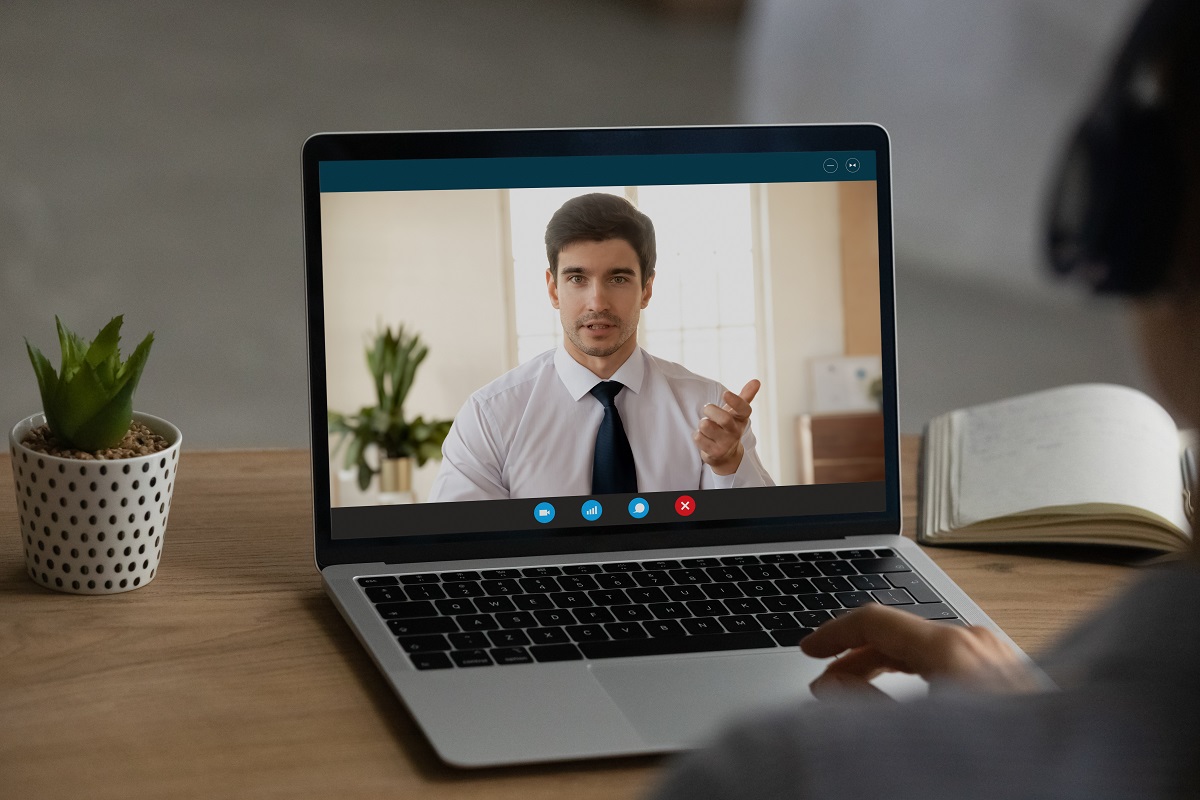
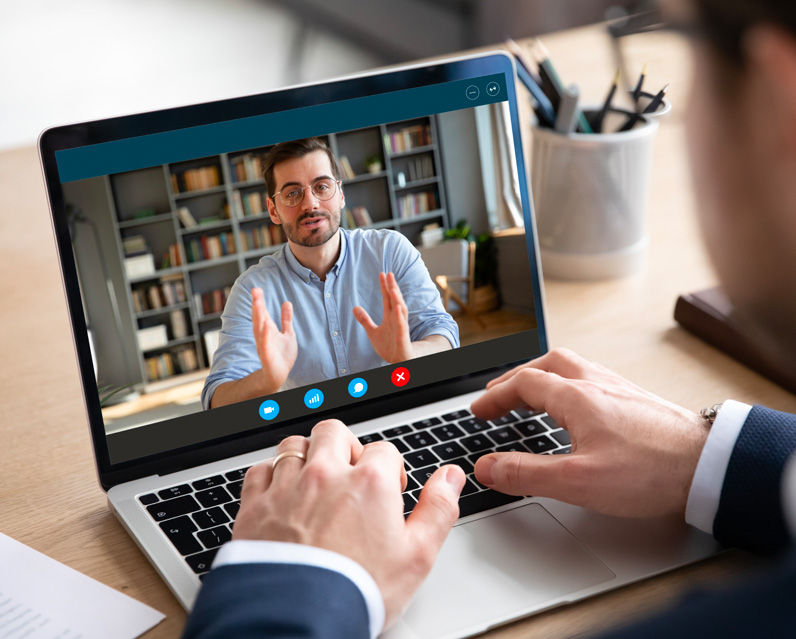
Video conferencing platforms have also become essential because many B2B sales conversations now happen remotely. Businesses serving international clients rely heavily on virtual meetings to maintain communication across different time zones.
Sales automation tools help closers manage repetitive tasks while maintaining consistent outreach. Automated reminders, email sequences, and scheduling systems improve efficiency without sacrificing personalization.
Analytics platforms provide valuable performance insights. Closers and sales managers can evaluate conversion rates, response patterns, and deal progression to improve future strategies.
Common tools used by B2B lead generation closers include:
-
CRM software
-
Video meeting platforms
-
Sales analytics tools
-
Proposal management software
-
Scheduling platforms
-
Lead tracking dashboards
-
Communication collaboration tools
Technology supports efficiency, but human communication remains the driving force behind successful B2B sales relationships.
Hiring the Right B2B Lead Generation Closers
Businesses that want strong sales performance must hire closers carefully. The wrong hire can damage customer relationships, reduce conversion rates, and waste valuable opportunities. Companies should prioritize experience, communication skills, and industry understanding during the hiring process.
One of the first things businesses should evaluate is sales experience. Closers who understand complex B2B environments are usually better equipped to handle negotiations and long sales cycles. Industry-specific experience can also provide an advantage because certain sectors require specialized knowledge.
Communication style is another critical factor. Strong closers communicate clearly, confidently, and professionally. They know how to build trust without sounding overly aggressive or scripted.
Businesses should also evaluate adaptability. International markets require flexibility because communication expectations vary across industries and regions. Closers serving clients in the USA, UK, Canada, Australia, UAE, and Singapore often need experience working with diverse business cultures.
Interview questions should focus on real sales processes rather than generic answers. Companies should ask candidates how they qualify leads, manage objections, and maintain follow-up consistency.
Warning signs businesses should avoid include:
-
Poor listening skills
-
Lack of organization
-
Overpromising unrealistic outcomes
-
Weak follow-up habits
-
Limited understanding of customer psychology
-
Inconsistent communication
-
Resistance to feedback and coaching
Hiring the right closer can significantly impact long-term business growth and customer retention.
Why Remote Closing Teams Are Becoming More Popular
Remote sales environments have changed how businesses approach lead conversion. Companies no longer need to rely exclusively on local sales teams because technology allows closers to work effectively from almost anywhere in the world.
Remote closing teams provide flexibility and scalability. Businesses can hire experienced professionals without geographic limitations. This creates access to larger talent pools and allows companies to build specialized teams more efficiently.
International expansion has also contributed to the popularity of remote closers. Businesses targeting clients across multiple countries need professionals who can manage conversations across different time zones and markets.
Cost efficiency is another advantage. Remote teams often reduce overhead expenses associated with office operations while maintaining strong productivity levels. Many businesses discover that remote sales professionals can deliver impressive results when supported with proper systems and communication tools.
Remote environments also encourage businesses to focus more heavily on measurable performance metrics. Sales managers can track calls, conversion rates, and pipeline progression using digital platforms that provide detailed insights.
The rise of digital communication has made buyers more comfortable with virtual sales interactions. Decision-makers now regularly attend strategy calls, product demonstrations, and contract discussions online. This shift has strengthened the role of remote b2b lead generation closers in global business development.
Takeaway
B2B lead generation closers have become essential for businesses that want stronger conversion rates, higher revenue, and long-term customer relationships. Their ability to build trust, manage objections, and guide prospects through complex sales processes makes them valuable assets in highly competitive industries. Businesses operating across the USA, UK, Canada, Australia, UAE, and Singapore continue to invest in experienced closers because personalized communication remains one of the most powerful drivers of business growth.
Companies that combine strong lead generation systems with professional closing expertise often gain a major competitive advantage. As digital competition increases worldwide, businesses need sales professionals who understand how to create meaningful conversations and convert qualified leads into loyal clients. Investing in skilled closers is no longer optional for companies that want scalable and sustainable growth.
FAQ
What are b2b lead generation closers?
B2B lead generation closers are sales professionals responsible for converting qualified business leads into paying clients. They handle discovery calls, negotiations, follow-ups, and contract discussions while guiding prospects through the sales process.
Why are B2B closers important for businesses?
Closers help businesses improve conversion rates, maximize marketing investments, and build stronger customer relationships. Their expertise helps companies turn interest into actual revenue.
What industries benefit the most from B2B lead generation closers?
Industries such as SaaS, marketing agencies, consulting, finance, commercial real estate, manufacturing, and healthcare technology frequently rely on experienced closers.
Can remote closers work effectively for international businesses?
Yes. Remote closers are highly effective for global businesses because they can manage virtual sales conversations across different regions and time zones.
What skills should businesses look for when hiring closers?
Businesses should prioritize communication skills, negotiation ability, emotional intelligence, adaptability, organization, and experience with B2B sales environments.
How do closers handle objections from prospects?
Professional closers listen carefully to concerns, provide value-driven explanations, and address hesitation with confidence and professionalism.
What tools do B2B lead generation closers use?
Closers commonly use CRM systems, video conferencing software, sales automation tools, scheduling platforms, and analytics dashboards.
Are B2B lead generation closers suitable for small businesses?
Yes. Small businesses can benefit significantly from experienced closers because stronger sales conversations often lead to faster growth and improved client retention.