
Understanding the Concept of Dial a Closer
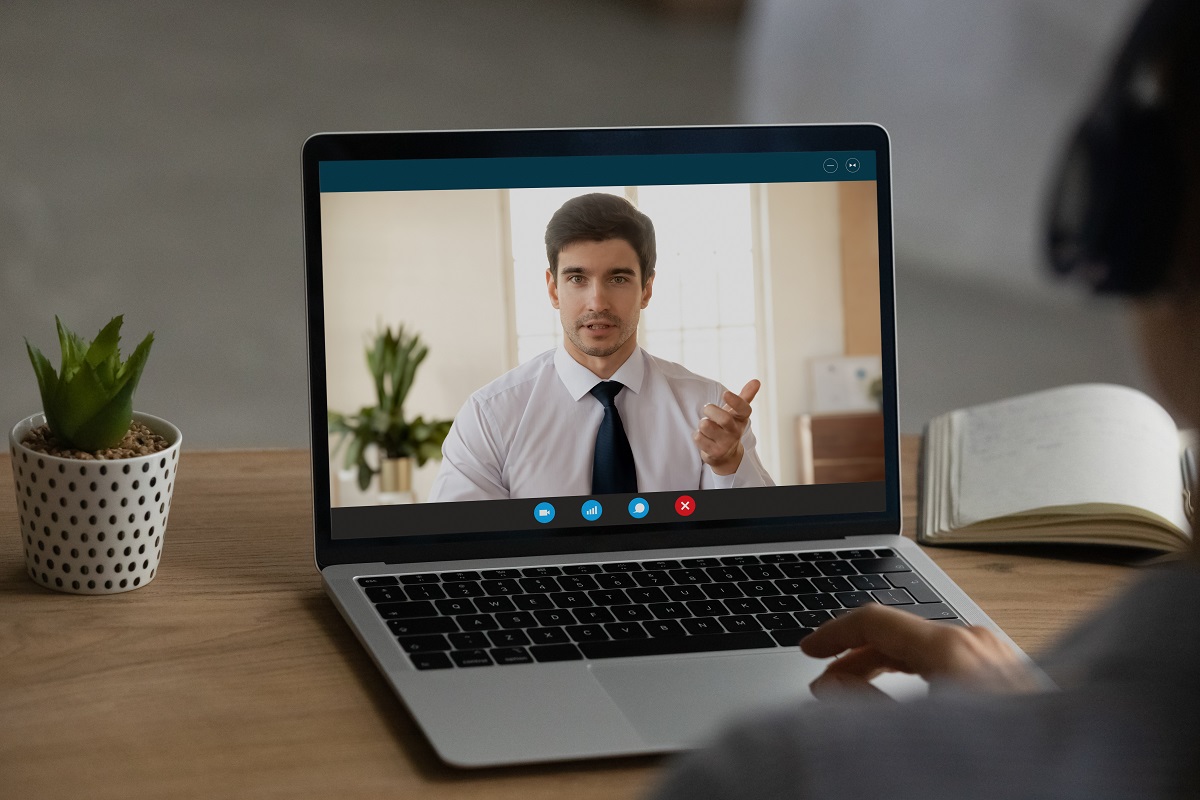
The term “Dial a Closer” has quickly become a powerful phrase in the world of modern sales, especially within the digital and remote work economy. At its core, a Dial a Closer refers to a sales professional who specializes in closing high-ticket deals over the phone or through video calls. These individuals are not responsible for finding leads from scratch; instead, they step in at the final and most critical stage of the sales process—turning qualified prospects into paying clients. This specialized role has emerged alongside the growth of online businesses, where services and products often carry premium price points. As companies scale, they need experts who can confidently handle objections and guide prospects toward making a purchase decision.
Unlike traditional sales roles that involve face-to-face meetings or long-term relationship building, a Dial a Closer operates in a fast-paced, results-driven environment. The focus is on efficiency, persuasion, and delivering value within a limited timeframe. Many businesses now rely on remote closers because they eliminate geographical limitations and allow access to top talent worldwide. This model has proven especially effective in industries like coaching, consulting, and online education, where high-ticket offers are common. The increasing demand for flexible work arrangements has also contributed to the rise of this profession.
Another defining feature of a Dial a Closer is the commission-based earning structure. Rather than earning a fixed salary, many closers are paid based on performance, which creates a strong incentive to refine their skills continuously. This results-oriented approach attracts individuals who are confident, self-motivated, and eager to maximize their income potential. As the digital marketplace continues to expand, the relevance of the Dial a Closer role becomes even more apparent. Businesses need skilled communicators who can bridge the gap between interest and commitment.
Understanding this concept is essential for anyone considering a career in remote sales or looking to hire someone for high-ticket closing. It represents a shift in how sales are conducted, emphasizing specialization and efficiency. For aspiring professionals, it offers a pathway to a lucrative and flexible career. For businesses, it provides a scalable solution to increasing revenue without expanding internal teams. The evolution of sales has made the Dial a Closer an indispensable asset in today’s competitive landscape.
The Role and Responsibilities of a Dial a Closer
A Dial a Closer plays a crucial role in converting interested prospects into committed clients, and this responsibility requires a unique combination of skills and discipline. One of the primary tasks is conducting scheduled calls with pre-qualified leads who have already expressed interest in a product or service. These calls are not casual conversations; they are structured interactions designed to identify the prospect’s needs and align them with the offer being presented. The closer must quickly establish trust, which is often challenging in a remote setting where physical cues are limited.
Another key responsibility is handling objections effectively. Prospects may hesitate due to concerns about price, timing, or perceived value, and it is the closer’s job to address these concerns without being pushy. This requires active listening and the ability to adapt responses based on the individual’s mindset. A skilled Dial a Closer knows how to guide the conversation in a way that feels natural while still maintaining control of the sales process. This balance is what separates average performers from top earners in the field.
Closers are also responsible for maintaining accurate records of their interactions using CRM systems. This includes tracking call outcomes, updating lead statuses, and noting important details that can be used for follow-ups. Organization is essential, as managing multiple leads simultaneously can quickly become overwhelming without proper systems in place. Additionally, they often collaborate with appointment setters or marketing teams to ensure a steady flow of qualified leads.
Time management is another critical aspect of the role. Since earnings are typically tied to performance, every call counts. Successful closers structure their schedules to maximize productivity while avoiding burnout. They also dedicate time to reviewing call recordings and refining their techniques. Continuous improvement is a core part of the job, as even small adjustments can significantly impact conversion rates.
Ultimately, the responsibilities of a Dial a Closer extend beyond simply making sales. They act as advisors, problem-solvers, and representatives of the brand they work with. Their ability to connect with prospects and deliver value in a short period determines their success. This role demands focus, resilience, and a commitment to excellence in every interaction.
How the Dial a Closer Model Works
The Dial a Closer model operates within a structured sales funnel that separates responsibilities among different roles to maximize efficiency. At the top of the funnel, marketing efforts generate leads through various channels such as social media, paid ads, and email campaigns. These leads are then filtered and qualified by appointment setters, who ensure that only serious prospects move forward. By the time a lead reaches the closer, they are already interested and aware of the offer, making the closing process more streamlined.
Once the appointment is set, the Dial a Closer takes over and conducts a one-on-one call with the prospect. This call typically follows a proven framework designed to uncover the prospect’s pain points, goals, and motivations. The closer uses this information to position the product or service as the ideal solution. This personalized approach increases the likelihood of conversion, as it addresses the specific needs of the individual rather than relying on generic sales pitches.
The commission structure is a defining feature of this model. Closers often earn a percentage of each sale, which can range from 10% to 20% or more, depending on the industry and offer. This performance-based compensation creates a strong incentive to excel, as higher conversions directly translate to higher earnings. It also benefits businesses by aligning the closer’s goals with their revenue objectives.
Technology plays a significant role in enabling this model. Tools like video conferencing platforms, CRM systems, and scheduling software ensure smooth communication and organization. These tools allow closers to operate efficiently from anywhere in the world, making remote work a viable and attractive option. The integration of these technologies has made it easier than ever to manage high volumes of leads and maintain consistent performance.
The success of the Dial a Closer model lies in its specialization. By focusing solely on closing, professionals can dedicate their energy to mastering this critical stage of the sales process. This division of labor not only improves efficiency but also enhances overall results. Businesses can scale more effectively, while closers can focus on what they do best—turning opportunities into revenue.
Skills Required to Become a Successful Dial a Closer
Becoming a successful Dial a Closer requires more than just basic communication skills; it demands a deep understanding of human psychology and the ability to influence decision-making. One of the most important skills is active listening, which allows the closer to fully understand the prospect’s concerns and motivations. This skill helps build trust and ensures that the conversation remains relevant and engaging. Without it, even the most well-prepared script can fall flat.
Emotional intelligence is another critical component. A Dial a Closer must be able to read subtle cues in tone, language, and behavior to gauge how a prospect is feeling. This awareness enables them to adjust their approach in real time, creating a more personalized experience. Confidence is equally important, as prospects are more likely to trust someone who speaks with authority and clarity. However, this confidence must be balanced with humility to avoid coming across as overly aggressive.
Time management and discipline are essential for maintaining consistent performance. Since the role often involves handling multiple calls daily, staying organized and focused is crucial. Successful closers develop routines that help them prepare for each call and recover quickly from setbacks. They understand that not every call will result in a sale, and they use each experience as an opportunity to improve.
Adaptability is another key skill, as no two prospects are the same. A Dial a Closer must be able to tailor their approach to different personalities and situations. This flexibility allows them to connect with a wider range of individuals and increase their chances of success. Continuous learning is also vital, as the sales landscape is constantly evolving. Staying updated on new techniques and strategies ensures long-term growth.
Proven Strategies to Excel in Dial a Closer
Mastering the art of closing requires a combination of preparation, execution, and continuous refinement. One effective strategy is structuring each call with a clear framework that guides the conversation from start to finish. This structure helps maintain focus and ensures that all key points are addressed. Another important tactic is asking open-ended questions that encourage prospects to share their thoughts and feelings. These insights provide valuable information that can be used to tailor the pitch.
Key Techniques Every Dial a Closer Should Master
-
Building rapport within the first few minutes of the call
-
Identifying and addressing pain points effectively
-
Using storytelling to create emotional connection
-
Handling objections with confidence and clarity
-
Creating urgency without applying pressure
-
Closing with a clear and compelling call to action
Following up is another critical aspect of the process. Not all prospects will make a decision during the initial call, so maintaining communication is essential. A well-timed follow-up can reinforce the value of the offer and address any lingering concerns. Analyzing past calls is also a valuable practice, as it allows closers to identify areas for improvement. This commitment to self-evaluation is what drives long-term success.
Consistency is key when applying these strategies. Even the best techniques require practice to become second nature. By focusing on continuous improvement and maintaining a positive mindset, a Dial a Closer can significantly enhance their performance. The ability to adapt and refine these strategies over time is what separates top performers from the rest.
Industries That Rely on Dial a Closer
The demand for Dial a Closer professionals spans a wide range of industries, each benefiting from their ability to convert high-value leads into clients. One of the most prominent sectors is coaching and consulting, where programs often come with premium price tags. These businesses rely on skilled closers to communicate the value of their offerings and address potential clients’ concerns. Without effective closing, even the best programs may struggle to generate revenue.
Online education is another industry that heavily depends on this model. Course creators and digital educators often use webinars and funnels to attract leads, which are then handed off to closers for final conversion. This approach allows educators to focus on content creation while leaving the sales process to experts. Similarly, digital marketing agencies use closers to secure long-term contracts with clients, ensuring steady income streams.
Real estate and property investment firms also benefit from the expertise of Dial a Closer professionals. High-value transactions require careful negotiation and trust-building, making skilled closers invaluable. In the tech sector, SaaS companies use closers to onboard clients and demonstrate the value of their software solutions. These industries highlight the versatility of the role and its importance in driving business growth.
Income Potential and Career Growth
The earning potential for a Dial a Closer is one of the most attractive aspects of the profession. Since compensation is often commission-based, there is no fixed ceiling on income. High-performing closers can earn substantial amounts by consistently converting leads into sales. This performance-driven structure rewards effort and skill, making it an appealing option for ambitious individuals.
Career growth opportunities are also abundant. As closers gain experience, they can move into leadership roles such as sales managers or trainers. Some may choose to specialize in specific industries, becoming experts in niche markets. Others may transition into entrepreneurship, using their skills to build their own sales teams or businesses. The flexibility of the role allows for various career paths, each with its own set of opportunities.
Ethical Sales Practices in Dial a Closer
Ethics play a crucial role in the success and sustainability of a Dial a Closer career. Building trust with prospects is essential, as it forms the foundation of any successful transaction. This means being transparent about the product or service being offered and avoiding misleading claims. Ethical practices not only protect the customer but also enhance the reputation of the closer and the business they represent.
Maintaining integrity during the sales process is equally important. While persuasion is a key aspect of closing, it should never cross the line into manipulation. A responsible closer prioritizes the needs of the client and ensures that the offer genuinely aligns with their goals. This approach leads to stronger relationships and long-term success.
FAQ
What is a Dial a Closer?
A Dial a Closer is a remote sales professional who specializes in closing high-ticket deals through phone or video calls.
Do you need prior experience to start?
Not necessarily, but training and practice are essential to develop the required skills.
How do Dial a Closers get paid?
Most earn through commissions based on the deals they close.
Is this career suitable for remote work?
Yes, it is primarily a remote role, offering flexibility in location and schedule.
What industries hire Dial a Closers?
Coaching, online education, real estate, SaaS, and marketing agencies are among the top industries.
Takeaway
The rise of the Dial a Closer reflects a major shift in how sales operate in a digital-first world. This role combines communication, strategy, and adaptability to deliver measurable results for businesses. For individuals, it offers a high-income skill that can be developed and refined over time. For companies, it provides a scalable solution to increasing conversions and revenue. Mastering this craft requires dedication, but the rewards—both financial and professional—can be substantial.