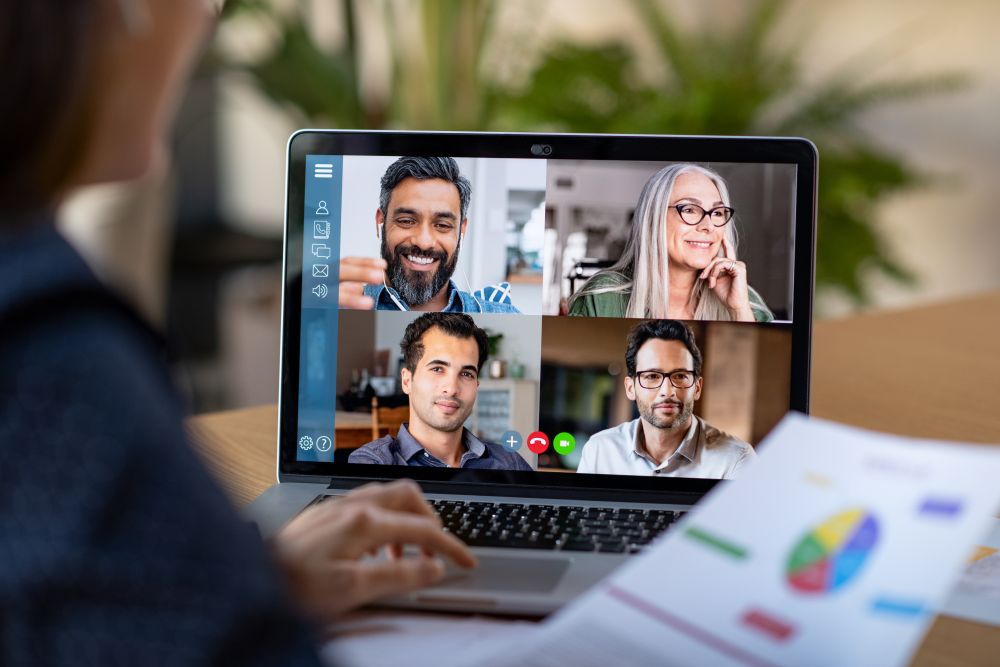

Top Sales Closers play one of the most vital roles in revenue growth, client acquisition, and long-term business success. As markets grow more competitive, companies need closers who can communicate value clearly while navigating buyer hesitation with skill and confidence. These professionals transform interest into commitment, guiding prospects toward decisions that benefit both sides. Their effectiveness lies not only in their ability to close deals but also in the way they build trust throughout the sales cycle. Businesses that understand the value of strong closers often outperform competitors in both conversion rates and customer satisfaction. With the right mindset and expertise, Top Sales Closers help companies stay relevant in an era where buyers have more options than ever. Their influence continues to shape the future of sales across industries.
Why Top Sales Closers Are Critical to Modern Business Growth
Top Sales Closers are essential in today’s fast-paced business environment because they bridge the gap between interest and action. Buyers often hesitate before making decisions, and closers possess the ability to guide that moment with clarity and confidence. Their skills help businesses reduce drop-offs in the final stages of the sales process, leading to stronger revenue stability. They also play a major role in nurturing long-term customer relationships, ensuring clients feel understood rather than pressured. Many companies rely on closers to unlock opportunities that would otherwise remain stagnant. The presence of Top Sales Closers often leads to higher conversion percentages, improved sales metrics, and stronger brand credibility. As buying behaviors evolve, closers remain the backbone of high-performing sales teams.
Core Qualities That Separate Top Sales Closers From the Rest
Top Sales Closers possess qualities that differentiate them from average performers. They rely heavily on emotional intelligence, allowing them to understand the motivations, uncertainties, and preferences of each prospect. Their communication skills are polished, strategic, and adaptive to various buyer personalities. These closers know how to listen actively, making clients feel valued and acknowledged throughout the conversation. They also demonstrate strong resilience, turning each challenge into an opportunity to refine their craft. A top closer remains composed even under pressure, using logic and empathy rather than forceful tactics. These qualities form the foundation of long-term success in the world of high-level selling.
Essential Skills Every High-Performing Closer Must Master
To thrive in competitive markets, closers must develop a mastery of essential skills. One of the most important is understanding buyer psychology, which helps them predict behaviors and adjust strategies accordingly. Another crucial skill is negotiation, enabling them to handle objections without diminishing the perceived value of the offer. Exceptional closers also excel in time management, ensuring consistent follow-ups and well-organized communication. They are skilled at presenting products in a way that highlights solutions rather than features alone. Clear and persuasive communication is another tool they use to simplify complex offerings. When combined, these skills elevate the performance of Top Sales Closers and create consistent sales momentum.
Key Skill Areas of Effective Closers
- Strong listening and conversational awareness
- Ability to control pacing in a sales dialogue
- Confidence without aggression
- Precise objection-handling
- Personalized value positioning
- Efficient lead prioritization
- Continuous skill refinement
Advanced Techniques Used by Top Sales Closers
Top Sales Closers implement advanced closing techniques that make the decision-making process easier for buyers. These methods are rooted in strategy, psychology, and ethical persuasion. One widely used technique is the assumptive close, where the closer speaks as if the decision is already made, helping the buyer feel confident. Another technique is the problem-solution approach, which focuses on the buyer’s pain points and positions the offer as the direct remedy. Some closers also use the takeaway method when prospects hesitate, reminding them of the value they risk losing. Others rely on urgency-based methods, though Top Sales Closers ensure these are used ethically. These techniques are combined creatively to match specific industries and buyer personalities, proving why top performers consistently excel.
Tools and Technologies That Amplify a Closer’s Performance
Modern Top Sales Closers benefit enormously from technology that enhances productivity and accuracy. CRM software helps them track interactions, analyze buyer behavior, and manage follow-ups with precision. AI-powered tools streamline prospecting tasks, making it easier to identify high-quality leads. Automation platforms support ongoing nurturing, ensuring potential clients remain engaged throughout the sales cycle. Analytics dashboards allow closers to measure performance and refine strategies based on real-time data. Communication platforms also strengthen virtual closing capabilities, especially in remote selling environments. These tools help closers operate with efficiency that would be impossible through manual processes alone.
Training Pathways That Develop Top Sales Closers
Many of today’s top performers were developed through structured training pathways. Role-playing exercises are commonly used to simulate real-world selling environments and enhance adaptability. Coaching sessions help refine objection-handling and negotiation tactics, giving closers deeper insight into effective communication patterns. Script development also plays a role, allowing closers to personalize their approach while staying aligned with brand messaging. Continuous learning programs provide updated methods for handling modern buyer behavior. Many Top Sales Closers also follow daily routines that sharpen discipline and keep them mentally prepared. By embracing consistent skill-building, closers maintain their edge in competitive industries.
Mistakes to Avoid When Building a Team of Sales Closers
Businesses looking to build a strong team of closers must avoid common hiring and management mistakes. One frequent error is relying on intuition rather than data during the selection process. Another issue arises when companies hire solely based on charisma rather than proven skill. Without a structured onboarding plan, even talented closers struggle to perform at their peak. Misalignment between sales and marketing is another costly mistake that can weaken closing performance. Additionally, unclear performance benchmarks make it difficult for closers to understand expectations. Companies must also avoid overlooking cultural fit, which impacts how well closers connect with customers and team members. Understanding and correcting these mistakes leads to stronger hiring decisions and better long-term results.
How Businesses Identify and Recruit Top Sales Closers
Finding the right closer requires a thoughtful and structured recruitment approach. Companies often begin by identifying behavioral traits that align with high-performance selling. During interviews, businesses look for authentic communication and genuine empathy, not aggressive persuasion. Practical role-play assessments also reveal how candidates respond to pressure and handle objections. Employers use detailed scoring systems to ensure decisions are based on data rather than instinct. Many organizations look for a history of consistent results, even across different industries. They also evaluate work ethic, motivation, and adaptability, traits that define the long-term potential of closers. By applying these methods, companies can confidently hire closers who deliver measurable impact.
Compensation Structures That Motivate High-Level Closers
Top Sales Closers thrive in compensation models that reward performance and encourage growth. Many businesses use commission-based structures that incentivize consistent high output. Others offer hybrid models that combine salary and commission for stability and motivation. Tiered incentives are also common, giving closers higher rewards as they exceed targets. Some teams offer bonuses for lead quality management, ensuring closers work with well-qualified prospects. Transparent commission rules help build trust and drive higher performance. Companies that design competitive compensation structures often retain top talent longer and achieve stronger sales outcomes.
Future Trends Shaping the Role of Top Sales Closers
The role of Top Sales Closers continues to evolve as industries adapt to technology and shifting buyer expectations. One major trend is the rise of AI-enhanced selling, where automation handles repetitive tasks and closers focus on human-driven strategy. Remote closing is becoming more common, requiring closers to master virtual communication platforms. There is also an increased emphasis on consultative selling, where closers act as trusted advisors rather than transactional agents. Buyers now expect personalized communication, making adaptability more important than ever. Continuous education is becoming a defining characteristic of high-level closers. As these trends expand, the future of selling will reward those who blend technology with human expertise.
FAQ
What makes someone a top sales closer?
A top sales closer excels in communication, emotional intelligence, objection-handling, and negotiation while maintaining strong customer relationships.
How long does it take to become an effective closer?
Many professionals improve within months, but reaching top-tier performance often requires ongoing learning, coaching, and experience.
Are closing skills innate or learned?
While some individuals have natural strengths, most closing skills can be learned and refined through structured training and consistent practice.
What industries need Top Sales Closers the most?
High-ticket industries, consulting, technology, real estate, and service-based businesses rely heavily on skilled closers.
How do businesses measure a closer’s performance?
They track conversion rates, deal size, consistency, customer feedback, lead quality, and long-term client retention.
Takeaway
Top Sales Closers remain essential in a rapidly evolving business landscape, guiding buyers with confidence, skill, and strategic communication. Their combination of emotional intelligence, advanced techniques, and tech-powered efficiency helps businesses strengthen revenue and build lasting client relationships. By cultivating the right training, tools, and hiring practices, companies can harness the full potential of closers who consistently elevate performance and drive meaningful growth.